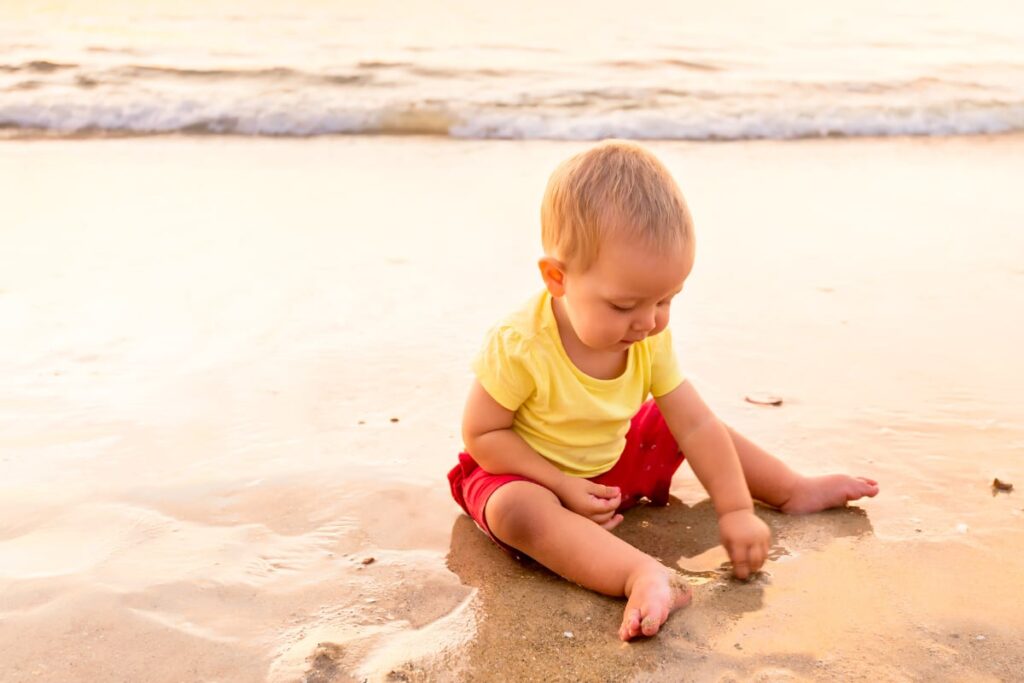
The days are stretching out, the paddling pool has emerged from the shed, and the kids have been outside so long they’ve forgotten what shoes are for. Spring and summer in Adelaide are made for beach trips, backyard cricket and late dinners in the garden. They also bring snakes, scorching heatwaves, fire danger days and a lot more time around water.
Here’s your guide to staying safe while making the most of the warm weather.
Snake safety
As temperatures rise, snakes become more active and turn up in more places than you’d expect. The eastern brown snake is Adelaide’s most common visitor, appearing in suburban backyards, parks, creek lines and walking trails, especially near the Hills and the city fringes.
The golden rule for kids: if you see a snake, stop, back away slowly and tell an adult. Never touch, chase or try to catch one, even if it looks dead.
Around the house, keep grass short and clear away woodpiles, rubbish and anything snakes can hide under. Check sandpits, cubbies and shoes left outside. If one moves in, call a licensed snake catcher. Don’t try to remove it yourself.
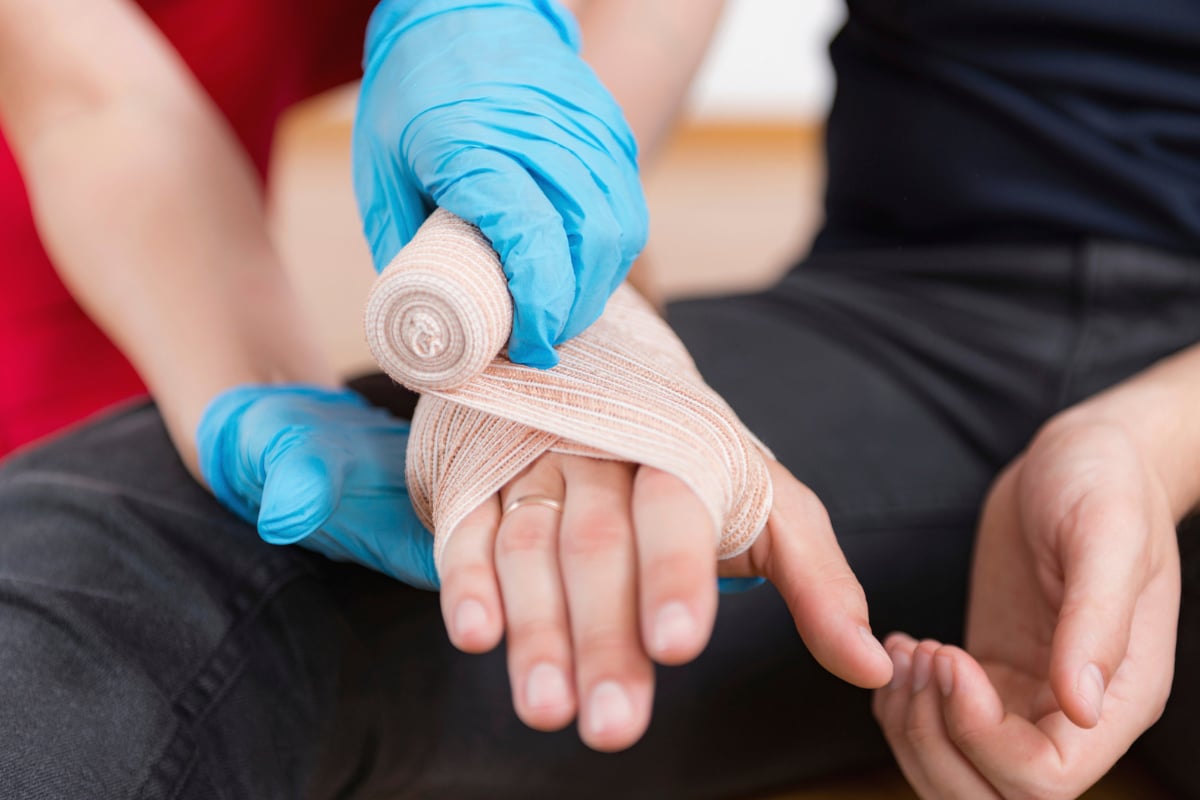
If someone is bitten: call 000 immediately. Keep the person still and calm, and apply a pressure immobilisation bandage over the bite and then up the whole limb. Don’t wash the bite, as the venom left on the skin helps hospitals identify the snake. Every family first aid kit should have at least two wide elastic bandages.
Water safety
Drowning can happen quickly and silently, and young children are most at risk. The backyard pool, the bath, a paddling pool and even a full bucket can all be dangerous for toddlers.
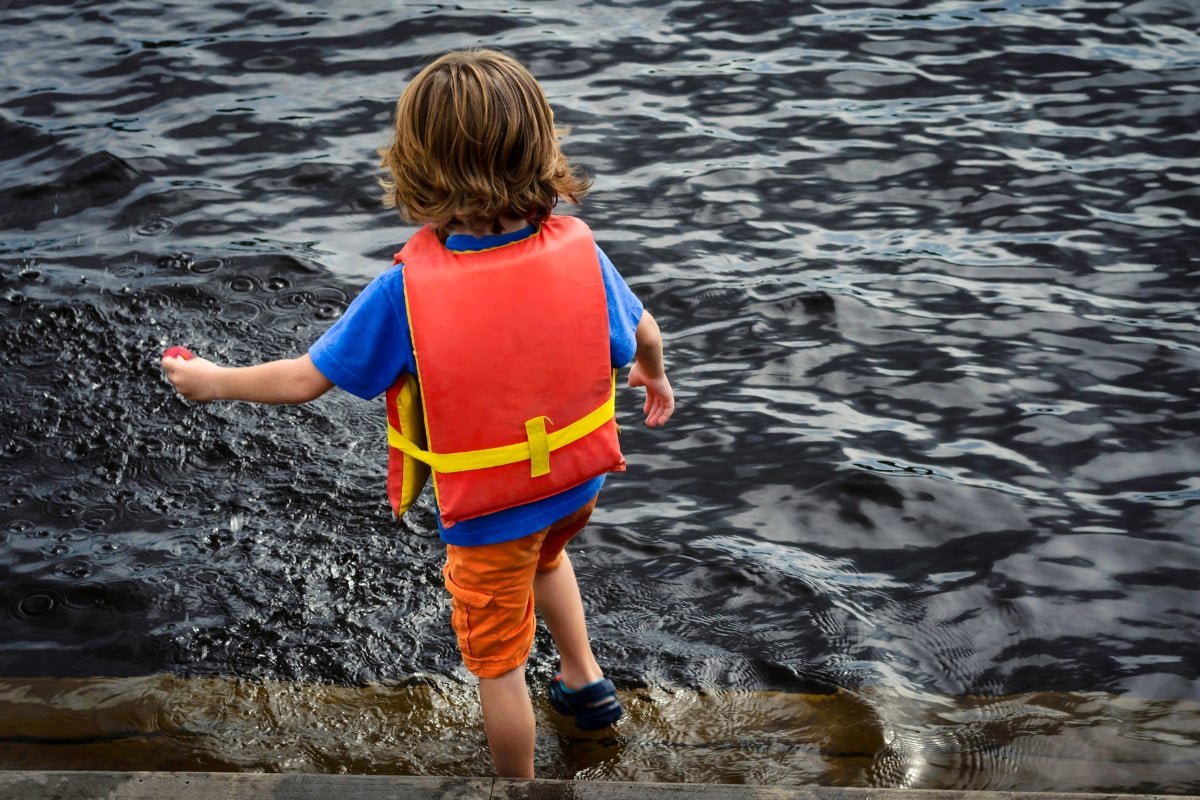
Royal Life Saving’s Keep Watch programme has four simple steps:
- Supervise. Stay within arm’s reach of young children around water, with your full attention on them. Phones away.
- Restrict access. Make sure pool fences and gates are in good condition and self-closing. Never prop a pool gate open.
- Teach water awareness. Swimming lessons build skills and confidence, but they don’t make children drown-proof.
- Learn resuscitation. A CPR course is one of the best things a parent can do before summer.
Empty paddling pools, buckets and eskies after use, and keep the bathroom door closed when little ones are around.
Beach safety
Adelaide’s metro beaches are calm compared with many in Australia, but conditions can still change fast. Always swim between the red and yellow flags, which mark where lifesavers are patrolling. Check beach patrol days and times with Surf Life Saving SA before you head out.
Teach kids that if they get into trouble in the water, they should float, raise one arm and wait for help. Use a bright rashie or swimmer so you can spot your child easily, and agree on a meeting point (like the lifesaver flags or the jetty) in case you get separated.
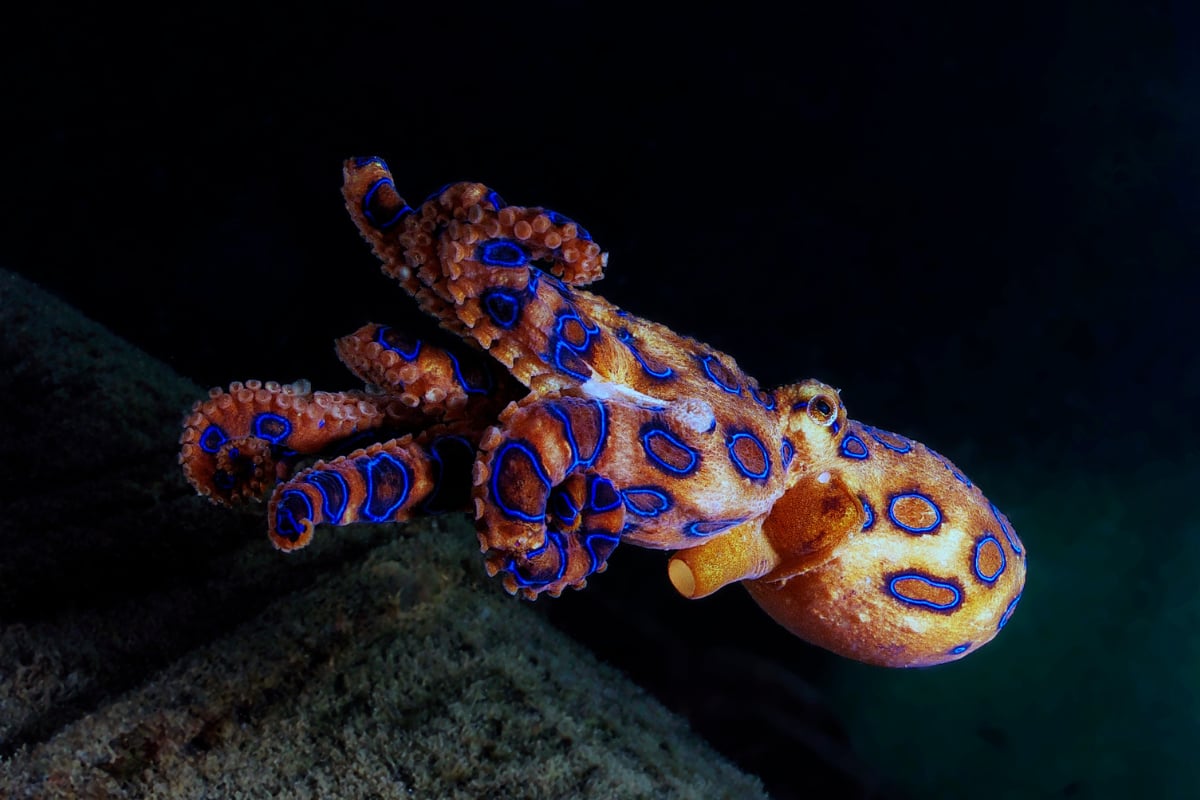
In rock pools, look but don’t touch. The blue-ringed octopus lives in South Australian waters and is highly venomous, even though it’s tiny and looks harmless.
Sun safety
South Australia’s UV levels can be high from spring right through to autumn, even on cool or cloudy days. The rule of thumb: when the UV index is 3 or above, it’s time for sun protection. Download the free SunSmart app to check the daily UV forecast.
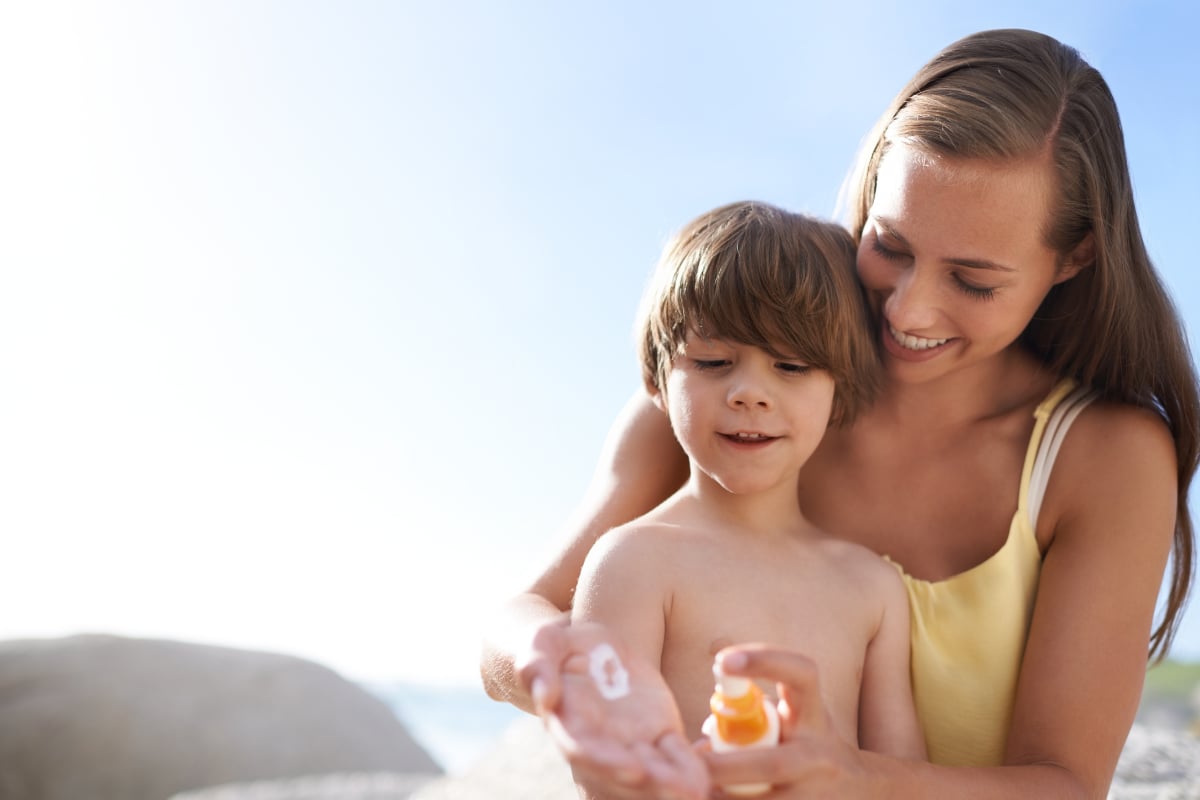
Cancer Council’s five steps are easy for kids to remember: Slip on sun-protective clothing. Slop on SPF50+ sunscreen 20 minutes before going outside, and reapply every two hours. Slap on a broad-brimmed hat. Seek shade. Slide on sunglasses.
For babies under 12 months, keep them out of direct sun when UV is 3 or above. Use shade, clothing and hats rather than relying on sunscreen.
Heat safety
Adelaide heatwaves are no joke, and little bodies heat up much faster than adults’. On hot days, plan outdoor play for early morning or evening, keep everyone drinking water, and dress kids in light, loose clothing.
Know the warning signs of heat exhaustion: flushed or pale skin, tiredness, dizziness, headache, nausea or crankiness beyond the usual. Move the child somewhere cool, give them water and seek medical advice. If they become confused, stop sweating or lose consciousness, call 000.
Never leave a child alone in a car. On a warm day, the temperature inside a parked car can become deadly within minutes, even with the windows down.
Bushfire planning
You don’t have to live in the Hills to need a bushfire plan. Many Adelaide suburbs border bushland, parks and creek lines, and families often travel to high-risk areas in summer too.
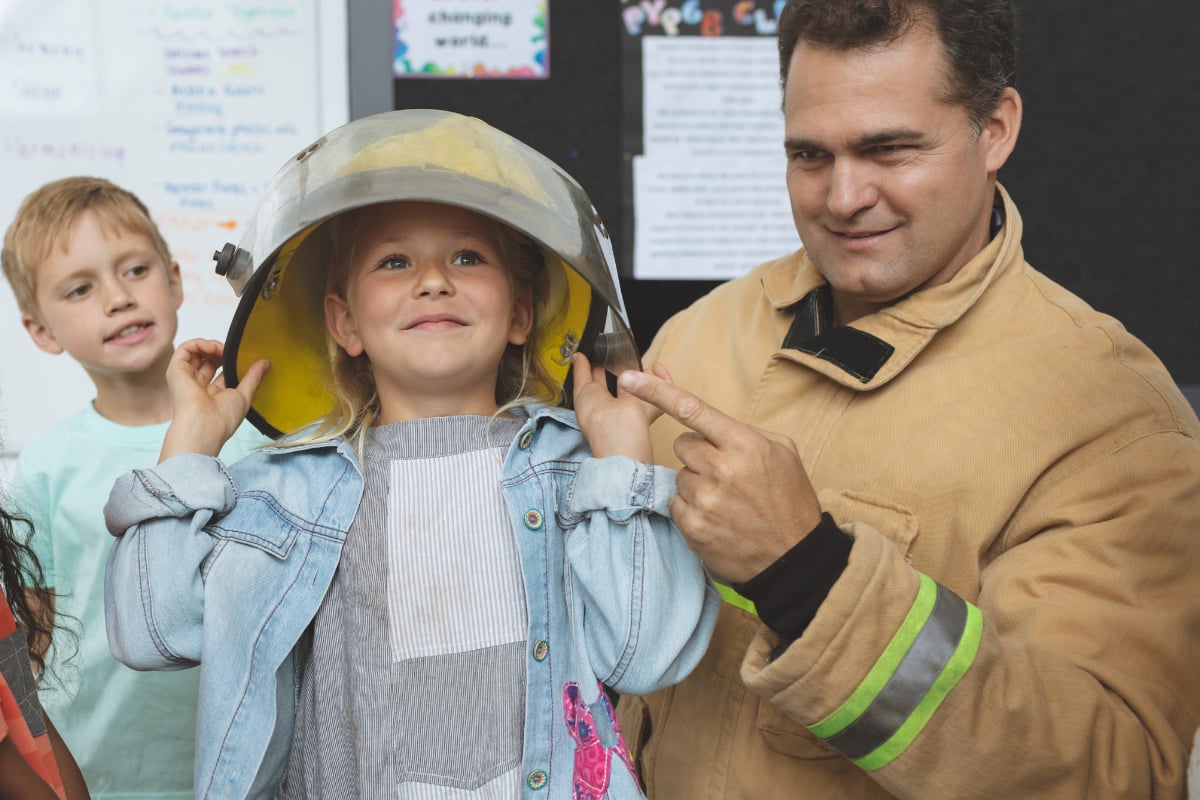
- Make a bushfire survival plan with the CFS’s online template. Decide together whether you’ll leave early or stay and defend, and what will trigger that decision.
- Download the Alert SA app for warnings, fire danger ratings and incident updates.
- Check fire danger ratings and Total Fire Ban days before heading to the Hills, regional SA or camping spots.
- Pack an emergency kit with medications, important documents, chargers, water, snacks and comfort items for the kids.
- Talk to kids calmly about what the family will do. Clear and practical works best.
Bites, stings and creepy-crawlies
Spiders: Redbacks love quiet, dry spots like letterboxes, play equipment, outdoor toys and under furniture. Check these areas regularly, and teach kids not to put their hands where they can’t see. For a redback bite, apply an ice pack and seek medical advice.
Bees and wasps: European wasps are attracted to sweet drinks and meat, so use cups with lids or straws at picnics. If your child has a known allergy, keep their action plan and adrenaline autoinjector close by.
Mosquitoes: Use repellent and dress kids in loose, light-coloured clothing at dawn and dusk. Mosquitoes in SA can carry diseases like Ross River virus.
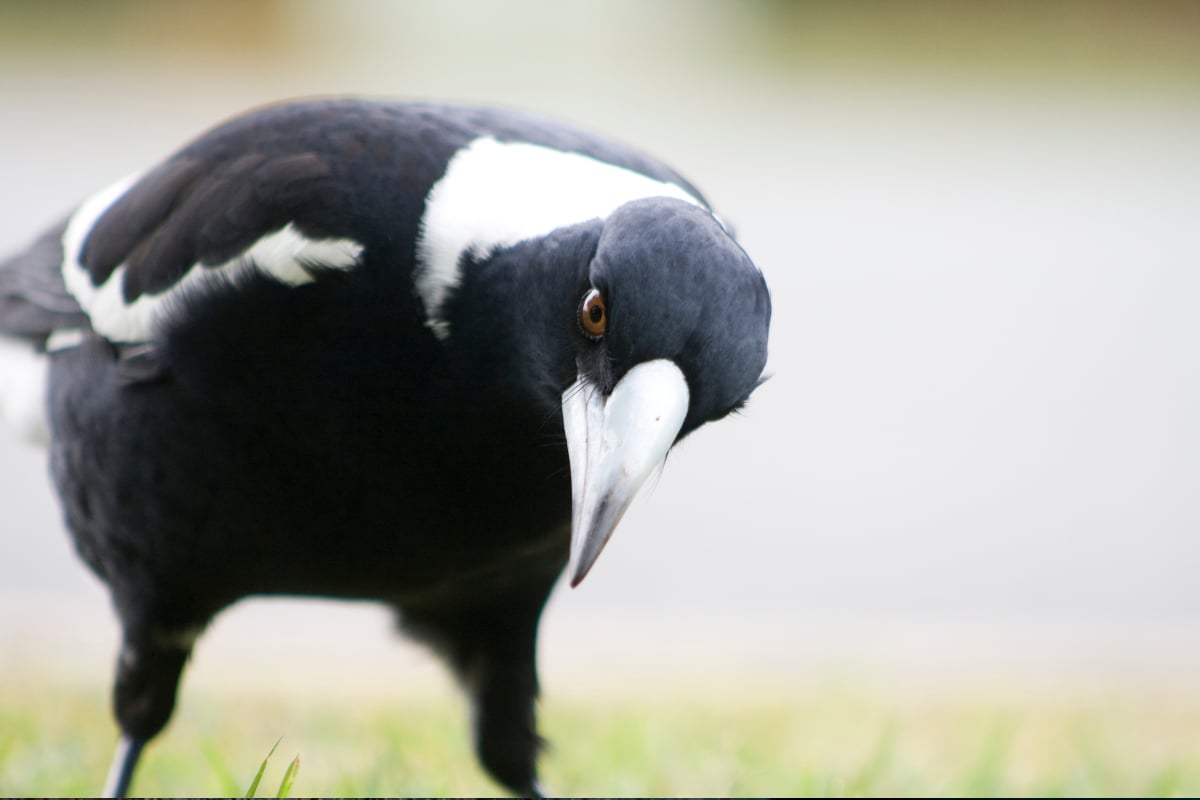
Magpies: Swooping season usually winds down by the end of spring. If one is still active, walk your bike through the area and teach kids to stay calm and move away.
Numbers to keep handy
Save these in your phone and stick them on the fridge:
- Emergency (police, fire, ambulance): 000
- Poisons Information Centre: 13 11 26
- healthdirect (24-hour health advice): 1800 022 222
With a bit of preparation, spring and summer in Adelaide can be all sandcastles and ice-creams rather than stressful dashes to the GP. Pack the hats, top up the first aid kit, and get out there. The long days won’t last forever.
Follow KIDDO on Instagram and Facebook, and subscribe to our weekly newsletter