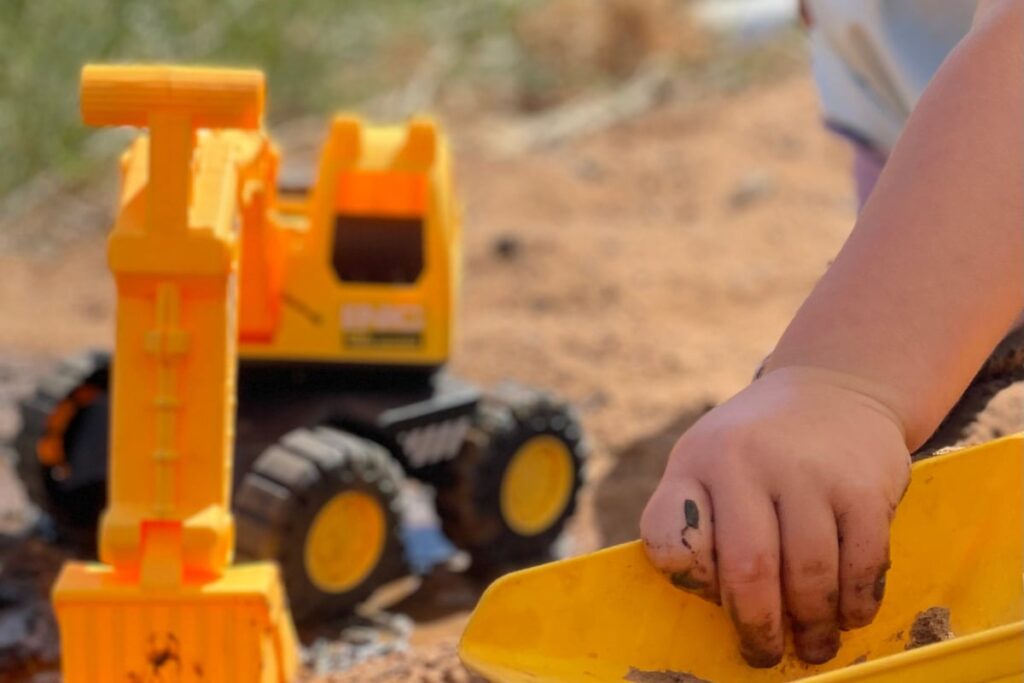
Childhood today is optimised at every turn – earlier starts, earlier assessments, earlier intervention, at every stage of development. Somewhere in that rush, it’s easy to forget that children have always known how to learn. They arrive already equipped with curiosity: an instinct to chase what interests them and take in exactly what their developing brain needs, in its own time.
So how do we stop overcomplicating the early years, and instead trust children’s own ability to learn and grow? By getting back to basics – to the years before learning was handed over to screens and apps. Slowing down with our children doesn’t just support their natural curiosity. It nurtures both of your nervous systems, builds resilience and patience, and encourages a gentler relationship with the world around them.
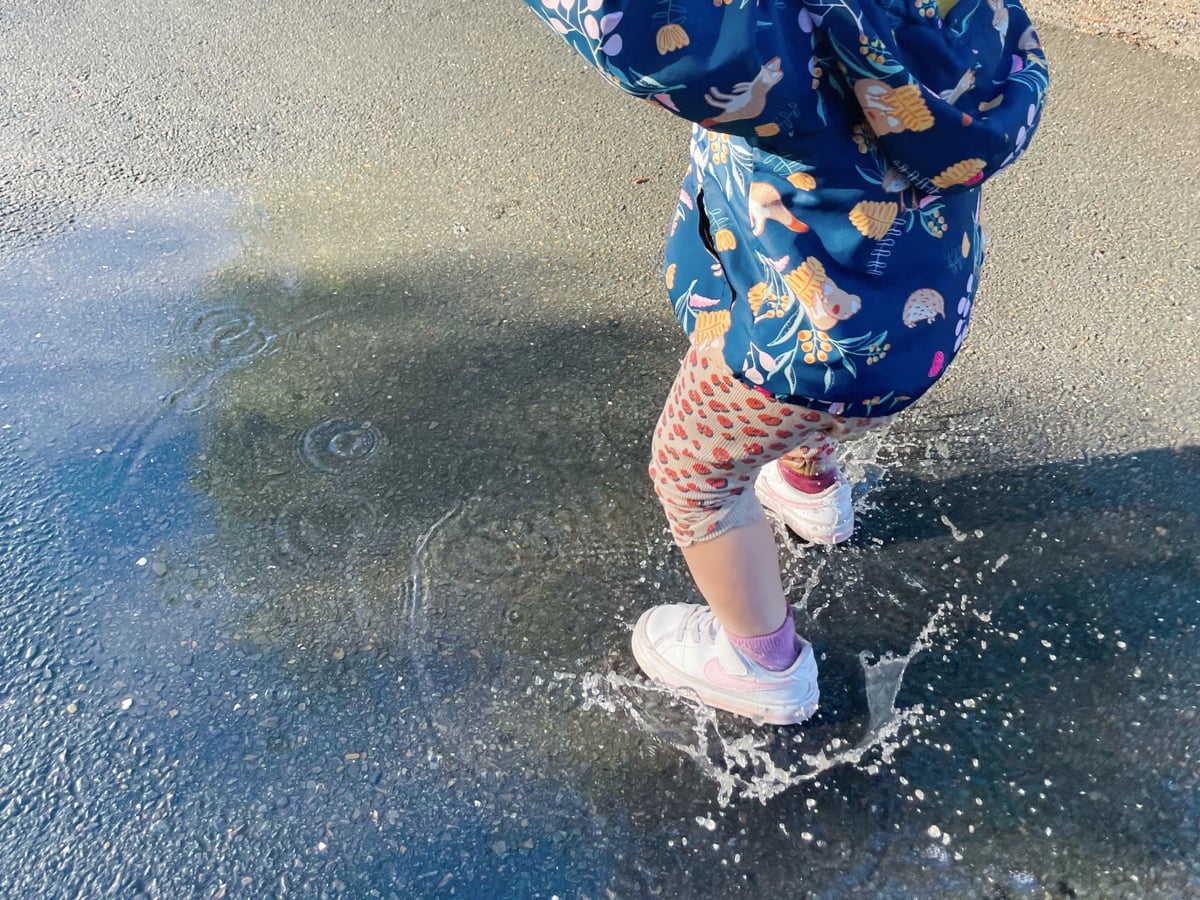
Early learning always starts at home. The direct family unit and the home-base environment are where children first learn their view of the world and what meaning they associate with it. Somewhere along the way we lost sight of what truly matters: the simple things in life.
Time at home
Making unhurried time at home a regular part of the weekly schedule is one of the simplest ways to slow things down – no rushing, no rescheduling around it, just space to be. Home, it turns out, might be the key all along.
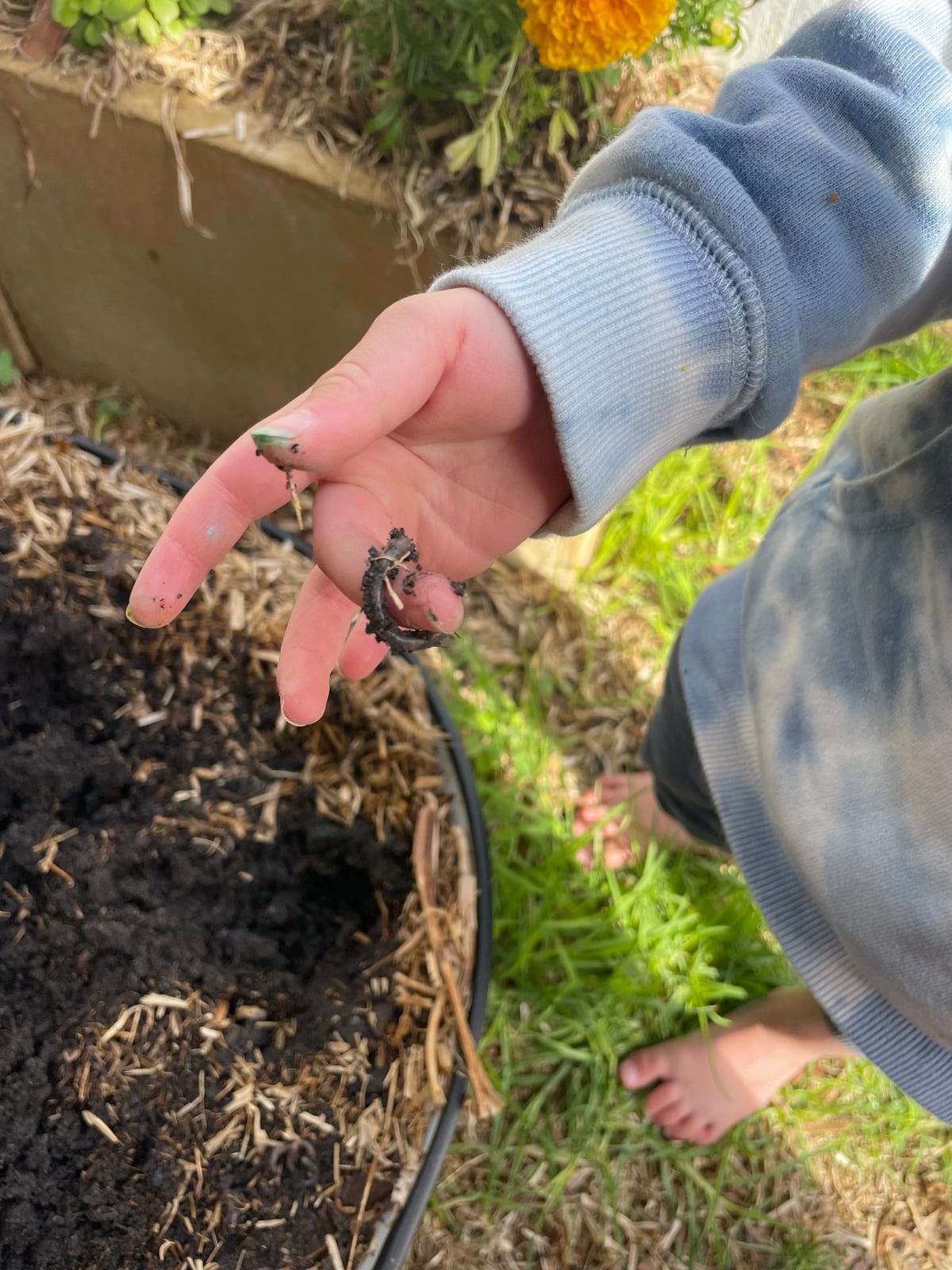
- Allowing time to get engrossed in play for hours, uninterrupted.
- Doing things together. Being a part of a team in a family home by learning how to do little tasks along the way that are developmentally suitable and that they seem intrinsically drawn to. Including them when they seem intrigued.
- Having time for connection and deeper conversations.
- Learning new skills together.
The ideas are endless and can really be as unique as your family. Having larger pockets of time that don’t require any rigid schedules or somewhere to be, other than together, is such a powerful tool for a family to have in this modern world. It builds stronger neural pathways from a young age. It increases their sense of safety around a space that provides consistency, meaningful connections with familiar people, and a pace that doesn’t require constant transitioning. It builds resilience and patience when children have the time in their day to problem-solve within their environment, get engrossed in uninterrupted play, and learn that things take time when done at their own natural pace.
Embracing the natural world
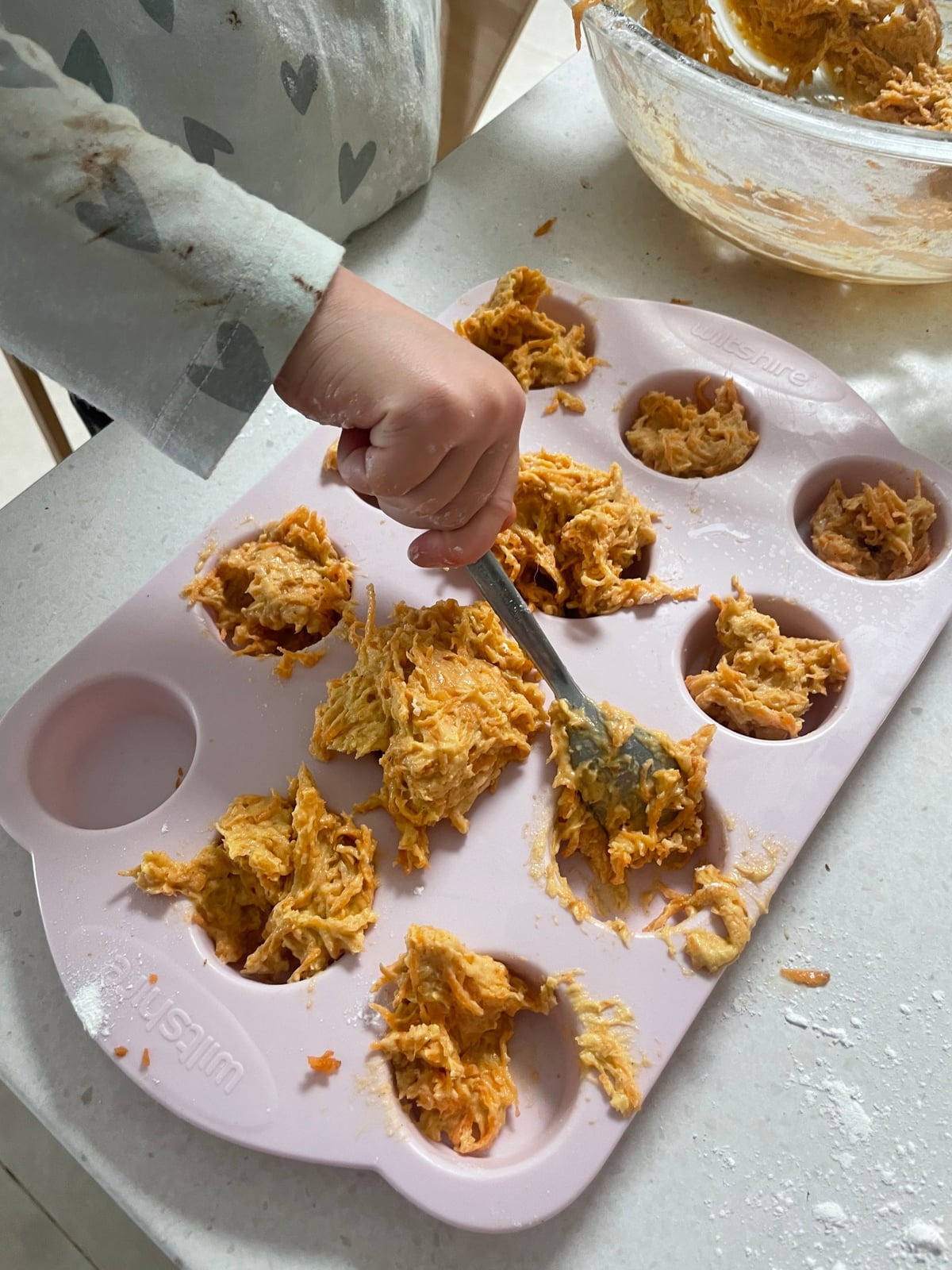
Mother Earth has so much to offer, especially when we nurture it and instil a love of nature from a young age. It starts with learning how to embrace nature. There are things we can do to work alongside it instead of against it. And it means making our environment and community something to look after and nurture.
- Getting out in the garden. Whatever that looks like for your family. Whether that means growing something in containers for smaller spaces, growing vegetables in an existing bed, or joining your local community garden.
- Taking walks in nature around your home, local park or closeby national parks and trails. Slowing down to take in the natural surroundings and truly appreciate it.
There are literally so many ways to protect early childhood from the hustle culture. By giving children the pace and tools they need to not rush through or optimise their development, we can prioritise meaningful childhoods over busier childhoods.
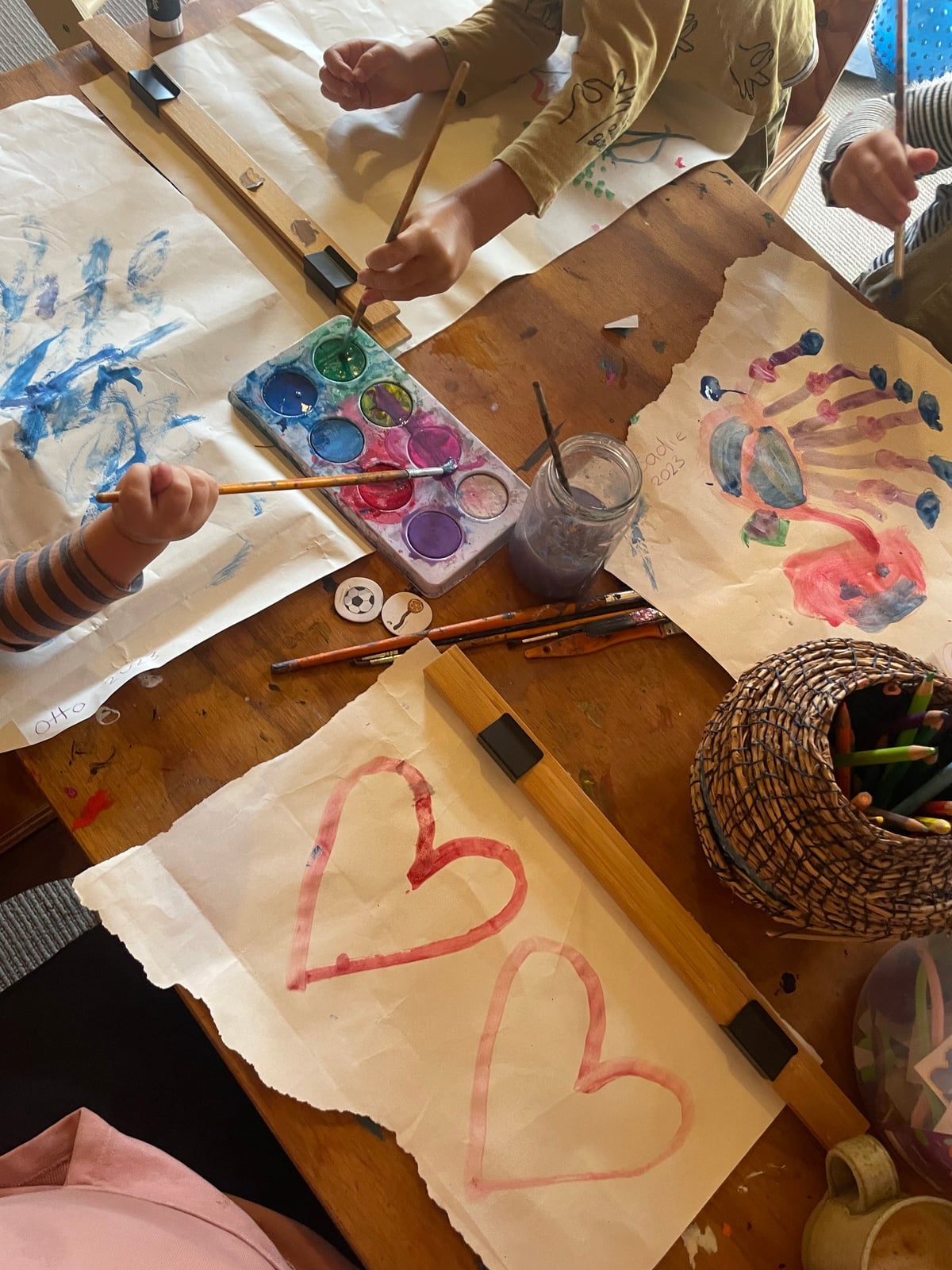
Taking a slower approach to early childhood encourages us all to take a step back from lives driven by productivity and look at life through the lens of little ones – the whimsy they see, the natural intrigue they have, and the curiosities they follow. It encourages development that sees the world as a place of natural pace rather than a source of instant gratification and constant entertainment, resulting in benefits that go far beyond their early years.
Find out more:
nannycryssie.com.au | @nanny.cryssie
Follow KIDDO on Instagram and Facebook, and subscribe to our weekly newsletter