By Edwina Reid, founder of NeuroPhysiotherapy Services
Most parents of school-aged kids will have lived through a version of this. A head clash at training. A fall off the bike. A clipped head on the netball court. The child seems mostly okay, maybe a bit quiet on the drive home, maybe a headache that lingers into the next day. And then the question starts forming: is this just a bump, or is it something more?
Concussion is something Australian families are talking about more than ever, and for good reason. According to the Australian Institute of Health and Welfare, more than 20% of children will experience a concussion by the age of 16, and sport is the leading cause in 10 to 15-year-olds, contributing to more than 60% of concussion-related hospitalisations in that age group. Rugby, cycling, AFL, soccer and equestrian top the list.
The numbers are sobering, but they’re also why specialised care matters. A concussion isn’t always obvious. It’s a traumatic brain injury caused by a knock to the head, face, neck or body that transmits force to the brain, and it can evolve over hours or days. Diagnosis relies on careful clinical assessment, not a single scan or test.
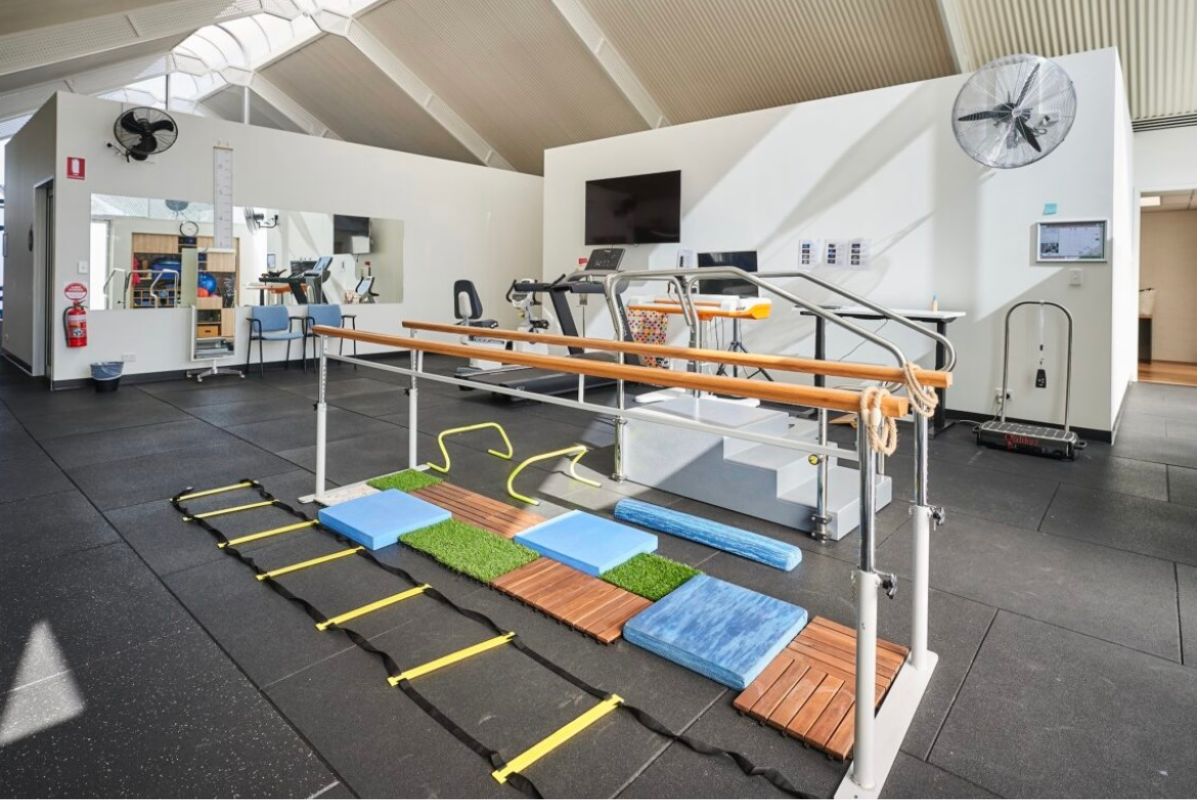
That kind of assessment is what NeuroPhysiotherapy Services in Eastwood is built around. Founded by Edwina Reid in 2001, the clinic specialises in neurological and vestibular physiotherapy, with concussion and traumatic brain injury rehabilitation a particular focus. Edwina brings more than 40 years of experience to the work, and her team assesses the visual, vestibular, cervical and autonomic systems together, not in isolation, while tracking how the central nervous system is regulating the body during recovery. They also treat the related injuries that often come with a concussion, particularly to the neck, jaw and face, which can be easy to miss but slow to resolve.
More than 20% of children will experience a concussion by the age of 16, and sport is the leading cause in 10 to 15-year-olds, contributing to more than 60% of all concussion-related hospitalisations in that age group.
For parents, the practical takeaway: if your child has had a knock and something feels off, persistent headaches, dizziness, fatigue, trouble concentrating at school, irritability that doesn’t lift, it’s worth seeking specialist input early rather than waiting it out. The right management in the first weeks can make a meaningful difference to recovery.
NeuroPhysiotherapy Services accepts patients via self or medical referral, is an NDIS-registered provider and offers private health rebates on the spot.
NeuroPhysiotherapy Services
121 Glen Osmond Road, Eastwood
neurophysio.com.au