Today’s students are stepping into a world where creativity and technology go hand in hand. Schools are no longer just teaching students how to use technology; they’re empowering them to design, create and innovate with it. From robotics and coding to 3D printing, digital media and immersive tech, classrooms are nurturing the makers and problem-solvers of the future.
Robotics
Future-ready snapshot
The World Economic Forum lists creative thinking as the #2 most in-demand skill for the future of work.
Digital literacy is recognised globally as a foundational skill for all future careers.
Robotics is igniting curiosity and resilience as students design, build and program robots to solve challenges. It blends engineering, maths, logic and imagination, and teaches students to prototype, test, refine and try again, building critical thinking and creative problem-solving skills.
Coding & digital creation
Coding is fast becoming a core literacy. Students are moving from passive tech users to active creators, designing games, apps and digital solutions. Coding encourages sequencing, experimentation and the confidence to approach complex challenges creatively, skills that will serve them for life.
3D printing & design
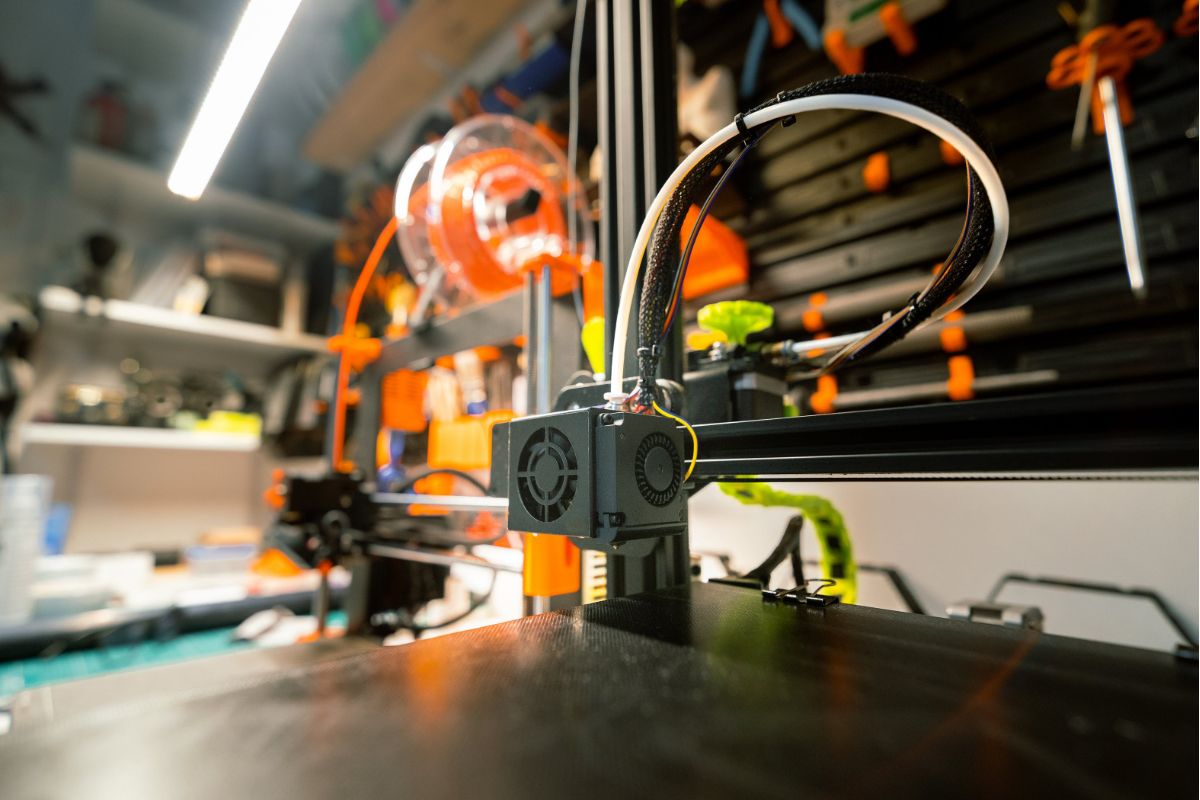
3D printing has transformed classrooms into mini innovation labs. Students can design, model and create real-world solutions, from prototypes and architectural models to creative products. It fuels design thinking, curiosity and entrepreneurial spirit.
Digital media & storytelling
With video production, podcasting, animation and digital storytelling now part of learning, students are developing modern creative communication skills. These programs blend imagination with digital fluency, empowering students to express ideas with impact.
Immersive tech
Virtual and Augmented Reality allow students to build, not just experience, immersive worlds. Whether they’re designing virtual galleries, historical recreations or science simulations, VR and AR expand creativity into new dimensions of storytelling, design and discovery.
Today’s classrooms aren’t teaching tech, they’re growing creators, inventors and problem-solvers.
Why it matters
The power of these programs extends beyond tech. They nurture curiosity, collaboration, adaptability and a willingness to experiment, key for future careers in a rapidly evolving world. Because the future won’t belong to those who simply consume technology, but to those who can imagine, create and shape it.
Follow KIDDO on Instagram and Facebook, and subscribe to our weekly newsletter