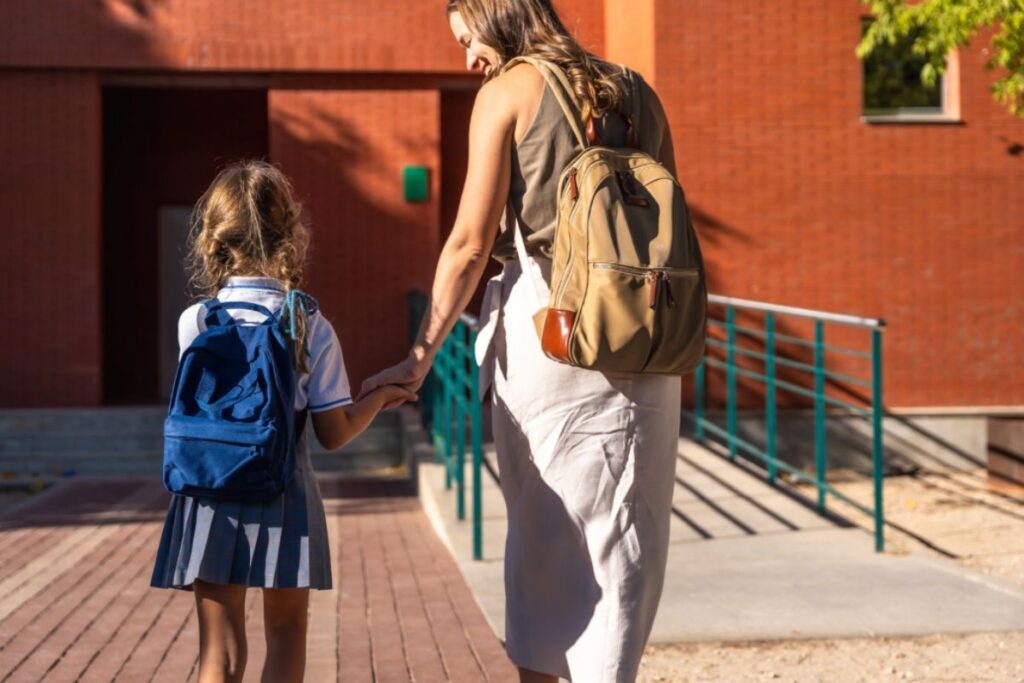
Is your child ready to start school?
Starting school is a big milestone, but how do you know if your child is ready? It’s not just about age. Emotional, social, and developmental factors are key. To help you make this important decision, we’ve created the ultimate school readiness checklist, giving you a clear guide on whether your child is prepared for their school journey.
The ultimate school readiness checklist
Emotional readiness
- Can they manage separation?
Can your child say goodbye with minimal tears or tantrums? This emotional independence is crucial for school success. - Can they handle frustration?
How do they cope when things don’t go as planned? The ability to manage emotions and keep trying is important for school readiness.
Social skills
- Can they make and keep friends?
Feeling comfortable interacting with others, sharing, and taking turns is vital. - Do they understand basic social rules?
Saying “please” and “thank you,” waiting their turn, and respecting personal space are essential in the classroom.
Communication skills
- Can they express their needs clearly?
Whether asking to use the bathroom or requesting help, clear communication is key. - Can they follow instructions?
Understanding simple directions like “put your shoes away” is important for school readiness.
Physical development
- Can they dress and care for themselves?
Independence in tasks like putting on a jacket or managing a lunch box helps them feel more in control. - Are they physically active?
Coordination and energy to run, jump, and hold a pencil are important for learning and play.
Cognitive skills
- Can they focus for short periods?
Attention span is essential for learning, so if they can focus on a task for a few minutes, they’re on track. - Do they recognise basic concepts?
Recognising their name, shapes, colours, and some letters or numbers is a good school foundation.
Independence
- Can they make choices?
Deciding on simple things, like what to wear, builds confidence and autonomy. - Do they understand routines?
Familiarity with daily routines at home makes it easier to adjust to school schedules.
Every child develops at their own pace, so don’t worry if they don’t tick every box yet. If they’re not quite ready, there are plenty of ways to support them at home, like practicing social skills or reading together, to help them build confidence for when the time is right.