
By Jessica Perri, Optometrist
It’s no secret that more and more children are being diagnosed with ADHD (attention deficit hyperactivity disorder), and some even start taking medication for it. But here’s a surprising thought; what if a few of these kids don’t actually have ADHD at all?
What if what looks like inattention, fidgeting, or acting out is really a vision issue hiding in plain sight?
The surprising link between eyes and attention
ADHD is a neurodevelopmental condition that affects around 8–11% of Aussie kids, making Australia one of the countries with the highest diagnosis rates in the world. But research shows that around half of children who struggle with learning or attention also have a hidden eye condition called Binocular Vision Dysfunction (BVD).
BVD happens when the eyes don’t work together properly. Imagine trying to focus with one eye pulling in a slightly different direction. It can make reading hard, cause headaches, blur, and even make a child feel dizzy or tired.
Sound familiar? It should, because those are also symptoms often linked to ADHD.
When eye problems look like ADHD
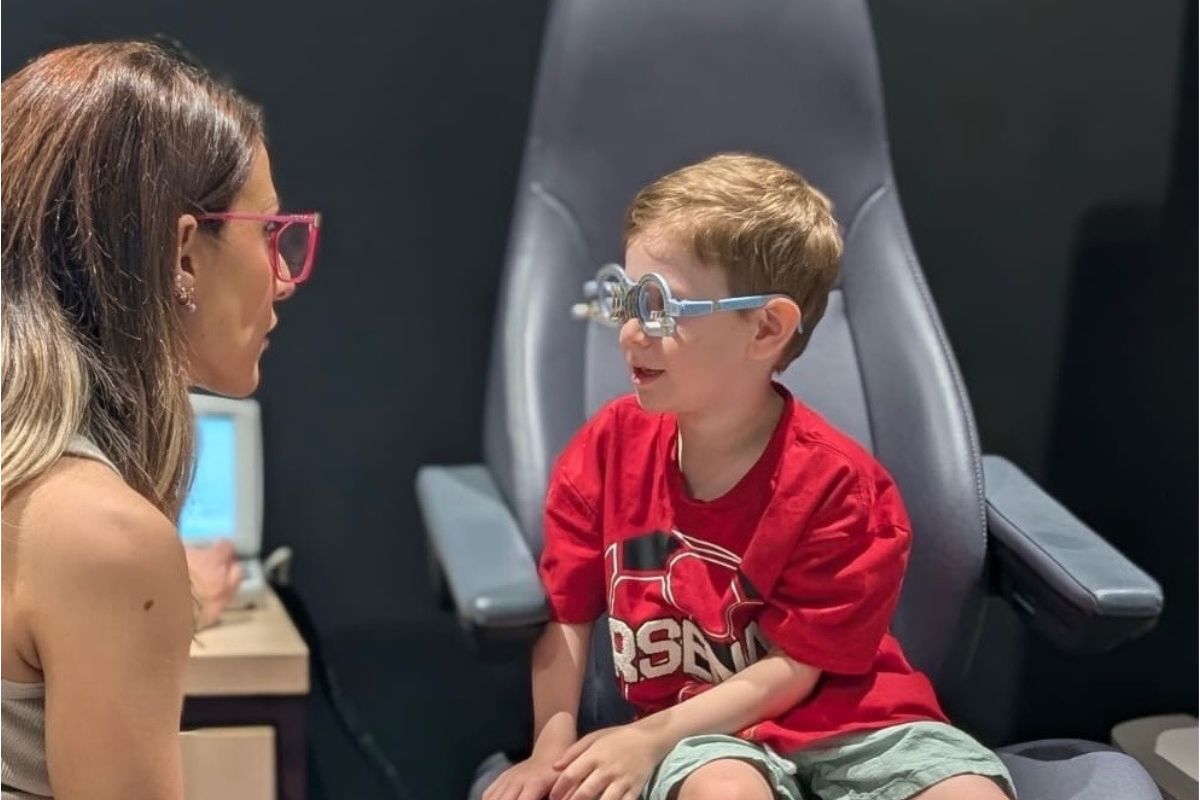
This overlap can be confusing. A child with BVD might seem distracted, restless, or “away with the fairies,” when really, they’re just struggling to see comfortably.
As an optometrist of more than 16 years, I’ve seen plenty of children referred for ADHD or learning assessments who simply needed their eyes to work better as a team. Once we corrected the issue, with glasses or simple eye exercises, their reading and concentration improved dramatically.
No medication. No major intervention. Just clearer, more comfortable vision.
What parents can do
If your child is struggling to focus, learn, or sit still, it’s worth checking whether their eyes are the real culprit. Here’s where to start:
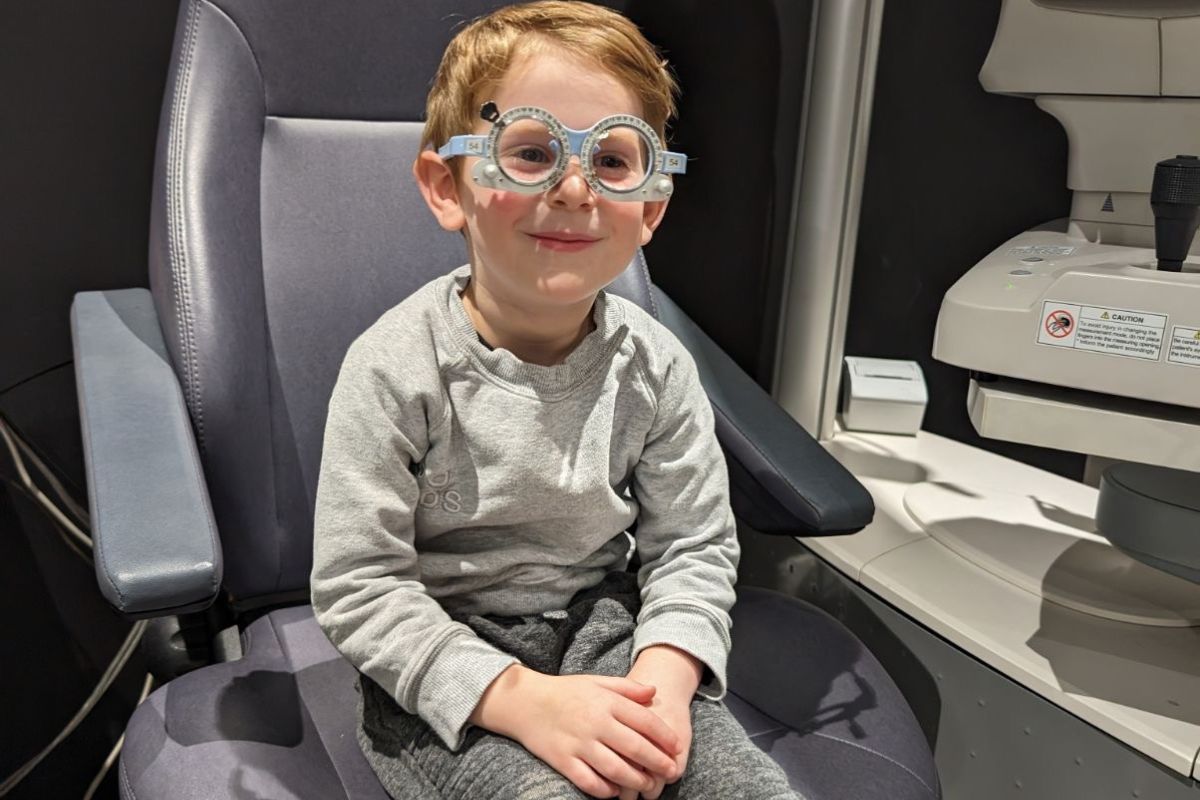
Book a binocular vision assessment.
A regular eye test checks how clearly your child sees, but this assessment checks how well their eyes work together.
Look for signs of strain.
Headaches, squinting, blurry vision, or holding books close are all red flags.
Advocate at school.
If your child’s teacher raises concerns about focus or learning, ask that an eye exam, including binocular vision testing, be part of any assessment process.
Don’t be fooled by 20/20 vision!
Even if your child can see perfectly in the distance, their eyes might not be coordinating properly up close.
Why this matters more than ever
With teachers under pressure (Australia ranks second in the world for teacher stress!) and classrooms bursting at the seams, kids who struggle to sit still or focus can easily be misread.
And because children often don’t realise their vision is “off,” they can’t always explain it, so they get labelled as distracted, lazy, or disruptive when, really, their eyes are working overtime.
Every child deserves to see, and learn, clearly. So before assuming it’s ADHD, make sure an eye test is part of the picture. Because sometimes, the key to better focus isn’t in their mind… it’s in their eyes.
Jessica is an optometrist with a passion for the link between nutrition and eye health, combining her expertise in vision care with postgraduate studies in Nutrition. Her passion lies in the intersection of nutrition and ocular health, and she especially loves checking children’s vision.
Follow KIDDO on Instagram and Facebook, and subscribe to our weekly newsletter