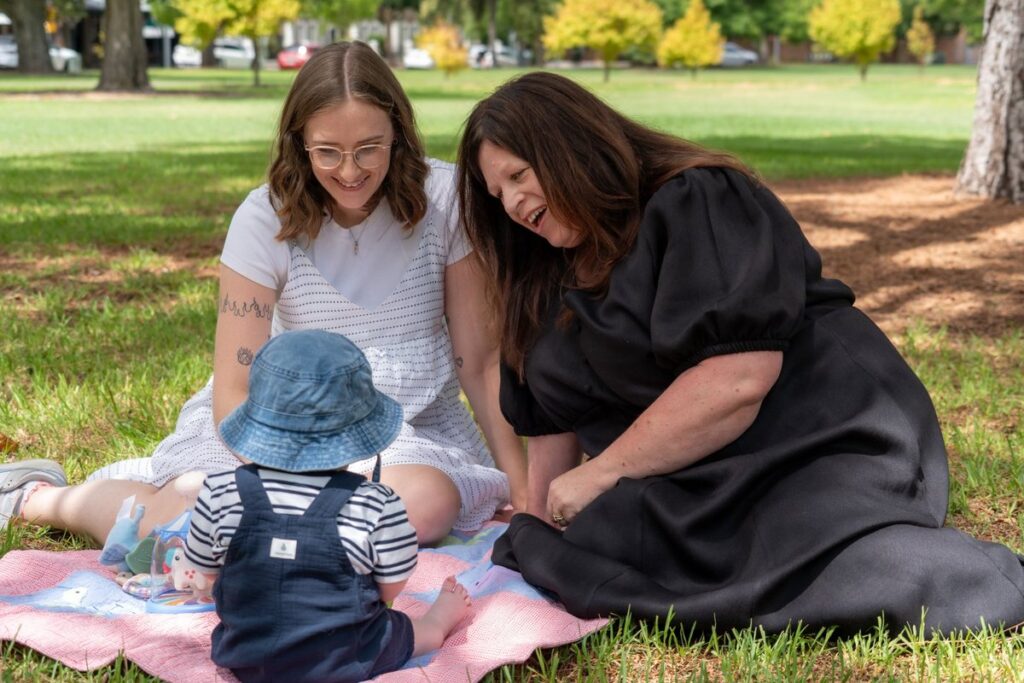
Andrea counts seeing a child recognise her home as their own, or relax when they see her face in a group of people, as some of her most special moments as a foster carer.
“One of the most satisfying moments is when we’ve realised that the child has an attachment to us,” she says of the care she offers children, alongside husband Kristian.
Andrea says she’s been surprised to find that becoming a foster carer is “far more rewarding” than she ever thought it would be.
“While I knew that it was something I was passionate about, I constantly find myself saying, ‘I can’t believe I get to do this,’ as it’s such an incredible privilege to get to be these children’s people for a season,” she says.
The Adelaide Hills couple started fostering about three years ago after their children Maddie, now 26, and Eli, now 23, reached adulthood.
Supported by AnglicareSA, they offer emergency and short-term placements, looking after children while their birth families work to address safety issues, or until children move into longer-term placements.
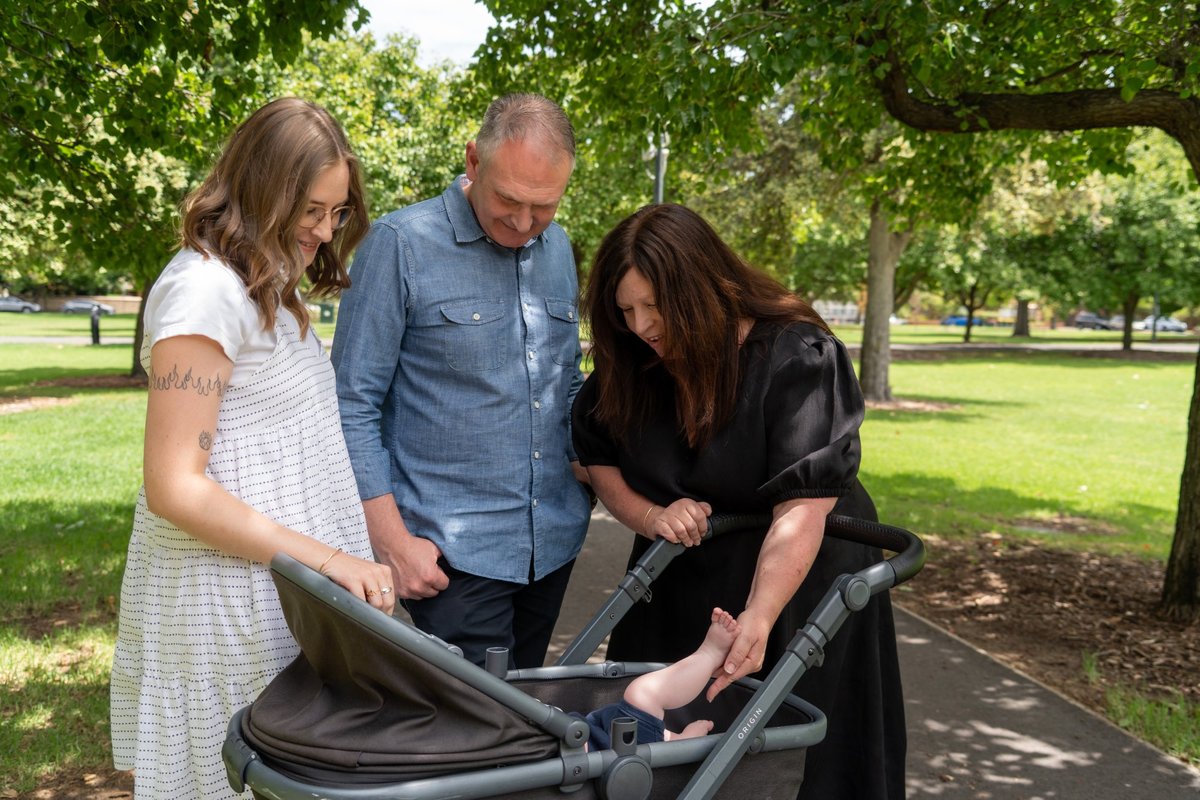
The couple is now looking after a seven-month-old boy, who came to live with them at just a couple of days old. The baby is now reaching the same age that the couple’s previous foster children were when they began their placements, and Andrea says there’s a noticeable difference between the children’s development.
Kristian, Andrea and Maddie are enjoying their roles caring for young children.
“The goodbyes have been difficult, but we’ve maintained contact with a couple of the foster children,” she says.
That includes keeping in touch by phone and catching up on special occasions, such as children’s birthday parties.
When people mention they’ve considered fostering, Andrea encourages them to find something within the space that suits them.
“There’s endless options as far as ages and timeframes, so you really can find something that works for you and your family.”
The Department for Child Protection is looking for more carers, with options spanning from full-time care to looking after children on a respite basis, for example, once a month or during school holidays.
“We can see with the difference in care that he’s hitting all his milestones. Having a home environment that meets all their needs offers a real advantage for these children,” she says.
Offering emergency or short-term placements makes saying goodbye inevitable, but Andrea says the benefits of caring for the children make it all worthwhile.
Find out more:
fostercare.sa.gov.au
1300 2 FOSTER (1300 2 367 837)
Follow KIDDO on Instagram and Facebook, and subscribe to our weekly newsletter