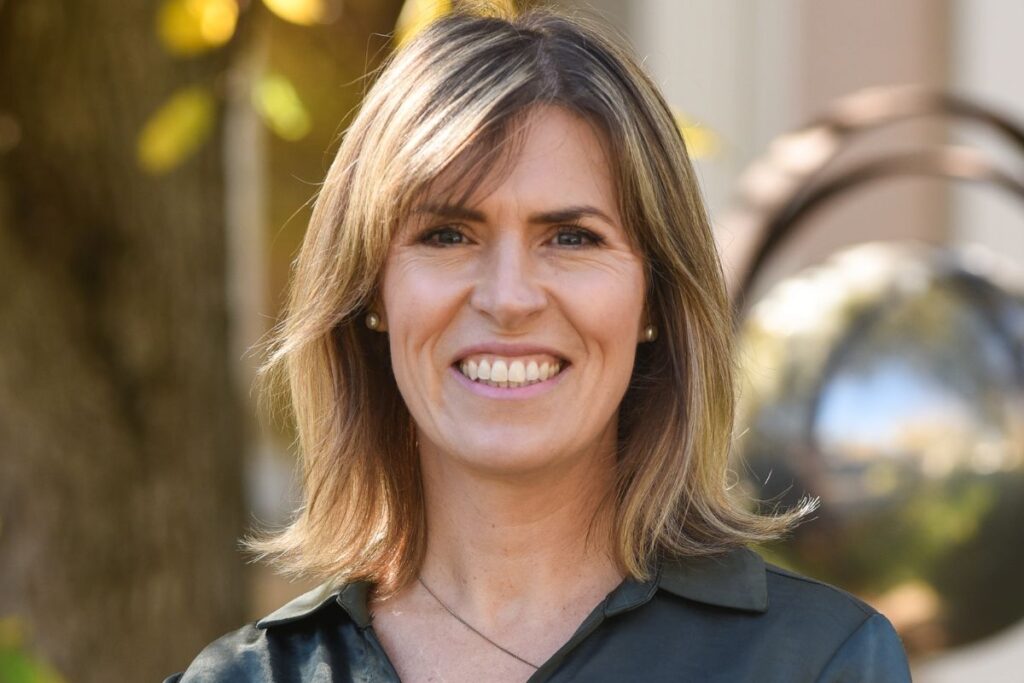
By Carla Van Stralen, Master of Educational Leadership (M.Ed.)
In a world that’s evolving faster than ever before, today’s children need more than just facts and formulas. They need to become active, curious, and capable learners — young people who can think for themselves, collaborate with others, and drive positive change in their communities. But how do we cultivate these kinds of learners?
The answer lies in one powerful concept: student agency.
What is student agency?
Student agency is all about kids having the power to influence their own learning. When students are given voice, choice, and responsibility in the classroom, they become more motivated, confident, and engaged. Research shows that when young people believe they can shape their learning experience, they’re more likely to succeed, not just in school, but in life.
At its heart, agency involves autonomy, self-regulation, and decision-making. Students with agency don’t just complete assignments, they question, reflect, and take initiative. As psychologist Albert Bandura explained, agency is about people being “contributors to their life circumstances, not just products of them.”
“When students are given voice, choice, and responsibility in the classroom, they become more motivated, confident, and engaged.”
What fosters student agency?
Through extensive research and analysis, three key ingredients emerged that consistently support student agency.
1. Instructional design that values voice
Students thrive when they help shape the curriculum.
When students collaborate with teachers to design projects, give feedback on learning activities, or make decisions about how they demonstrate understanding, their engagement skyrockets. Studies show that when learners feel their opinions matter, their motivation deepens, and so does their learning.
This approach, often called “student voice,” also allows children to bring their whole selves to the classroom. Whether through storytelling, artwork, or problem-solving, when students can express their identities, they feel seen, and that belonging builds confidence.
2. Positive relationships with educators
Kids learn best from teachers who listen, care, and respect them.
Across countless studies, one factor stood out: the power of a strong teacher-student relationship. When children feel emotionally safe, respected, and supported, they’re more willing to take risks in their learning. Teachers who give consistent, unconditional encouragement, rather than using rewards or punishments to control behaviour, create the kind of environment where agency can grow.
This emotional connection is especially crucial for students facing challenges, whether social, emotional, or academic. As one researcher noted, “agency flourishes where students feel heard and valued.”
“When children feel emotionally safe, respected, and supported, they’re more willing to take risks in their learning.”

3. Teaching styles that prioritise autonomy
Structure is helpful… but so is freedom.
Autonomy-supportive teaching doesn’t mean anything goes. It means guiding students with clear expectations, while also giving them room to explore and make decisions. For example, a teacher might offer a series of project topics and let students choose the one that speaks to them.
When this balance is struck well, students learn essential life skills like goal setting, reflection, and perseverance. And even in structured settings, like during remote learning or high-stakes assessments, this mindset can be nurtured through supportive language and flexibility.
Why does student agency matter?
Modern education can sometimes feel like a race to tick off boxes. But a growing number of educators and researchers are pushing for change. They argue that outdated, one-size-fits-all approaches aren’t preparing kids for the complexity of the world they’ll inherit.
Instead, there’s a shift toward empowering students as co-creators of their learning, encouraging them to explore, question, and take ownership of their progress. And the results are promising: students with agency tend to show better academic outcomes, higher self-confidence, and stronger problem-solving skills.
What does this look like in action?
In practice, student agency can take many forms.
Experiential learning includes real-world projects and community partnerships that help students see the relevance of their learning and “try on” future roles.
Collaborative work through group tasks helps build teamwork, communication skills, and shared responsibility.
Metacognition and feedback occur when teachers model how to think about thinking and make feedback a dialogue, helping students become more independent and capable learners.
And perhaps most importantly, schools that prioritise agency create cultures of belonging. When students feel part of something bigger than themselves, they’re more likely to care, contribute, and grow.
How can parents foster agency at home?
Offer meaningful choices. Give your child opportunities to make decisions about their learning or daily routines, like choosing between books, setting their own study schedule, or selecting a family activity. Choice builds autonomy and confidence.
Encourage reflection. Ask open-ended questions like “What do you think you did well?” or “What would you do differently next time?” This helps your child develop metacognitive skills and take ownership of their learning journey.
Model self-regulation. Talk through your own problem-solving and planning processes out loud. For example, “I’m making a list so I don’t forget anything, what do you do when you need to remember things?”
Validate their voice. Make space for your child’s opinions and ideas at home. Listen without judgment, especially when they express frustration or alternative perspectives. Feeling heard boosts their sense of agency and emotional safety.
Support real-world learning. Connect school concepts to real-life experiences. This could mean involving them in cooking (math), planning a trip (geography), or discussing current events (civics). Authentic learning builds relevance and responsibility.
Why this matters for our future
As one educational leader put it: “Education must go beyond workforce preparation. It must cultivate informed, engaged individuals capable of contributing to a just and equitable world.”
By fostering student agency, we’re not just preparing kids for tests, we’re preparing them for life. We’re raising changemakers who can think critically, speak up, and stand tall in the face of uncertainty. Children who are empowered to lead, not just follow.
In the words of educational thinker Guy Claxton:
“It’s about rearing millions of youngsters who naturally think critically, creatively and collectively… and strive to make the world a better place.”
Let’s work together, parents, teachers, communities, to raise the next generation with curiosity, courage, and agency.
About the author
Carla is a Canadian-Australian mother of four, Year 6 teacher at Pulteney Grammar, and international adoptive mum. With 20+ years’ teaching experience and a focus on Special Education, she’s passionate about student agency, global equity, and creating inclusive, future-focused learning environments while completing her Master of Educational Leadership at Monash.
Follow KIDDO on Instagram and Facebook, and subscribe to our weekly newsletter