
SERVES: one growing child
PREP TIME: about 18 years
INGREDIENTS: see below
RECIPE BY: Madhavi Nawana Parker, Positive Minds Australia
When we think about keeping our kids healthy, food is often the first thing that comes to mind. And food absolutely matters. The meals and snacks we provide give growing bodies the energy and nutrients they need to develop. They also support busy brains that are learning, remembering, concentrating and making sense of the world around them. But health is about much more than food. A healthy childhood is made up of lots of little, everyday moments. A run around the backyard. Climbing a tree. A walk in the sunshine. A bedtime story. A cuddle after a difficult day. A meal shared together. A child feeling safe, loved and connected.
These everyday moments help children’s bodies, brains, feelings and learning. And perhaps the best news for parents is that healthy childhoods are not created by perfection. All those small things you do, over and over, make a big difference.
Start with a growing brain
A child’s brain is developing at an extraordinary rate during the early years. Although the brain makes up only about 2 percent of our body weight, it uses around 20 percent of the body’s energy. Growing brains need energy and a wide range of nutrients to support their development and all the work they do each day. Every conversation, game, adventure, meal and relationship provides experiences that help shape the developing brain.
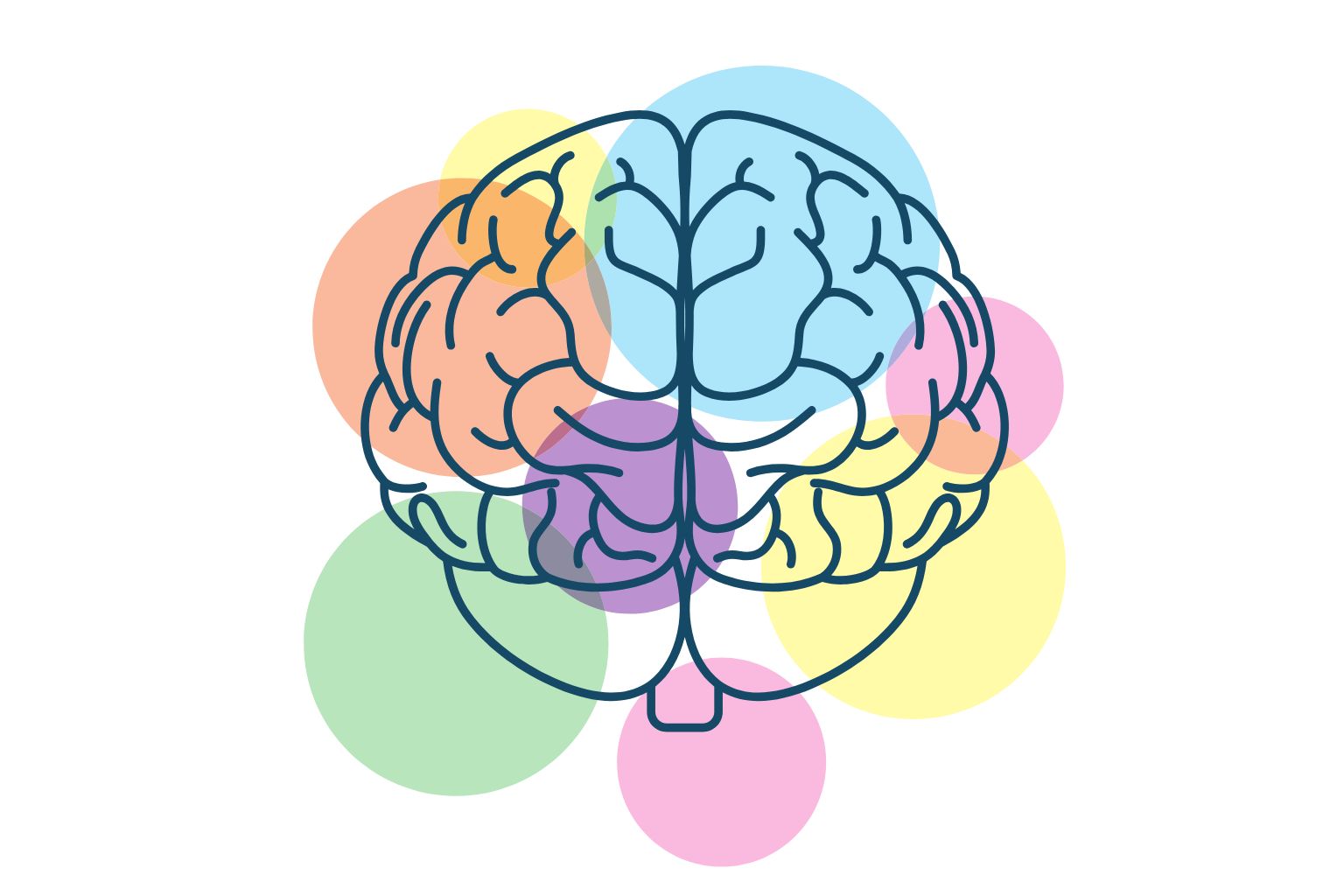
That means children need more than information to learn. They need nourishment. They need movement. They need rest. They need opportunities to explore, imagine and play. Most importantly, they need relationships where they feel safe enough to learn, make mistakes and try again.
Health isn’t a single behaviour. It’s a collection of experiences that work together.
Add good food, most of the time
Food is one important piece of the wellbeing puzzle. The food children eat provides the nutrients their bodies and brains need for healthy growth and development.
Nutrients such as iron, protein, omega-3 fats, vitamins and minerals all have important roles in the body and brain. The Australian Dietary Guidelines recommend that children enjoy a wide variety of nutritious foods from across the five food groups, with the balance and amount changing as children grow. But one of the most important messages for parents is this: children don’t need perfect diets to be healthy.
They need enough nourishing food, often enough, over time. Family life is busy and messy sometimes. There will be rushed mornings, uneaten lunchboxes, toast for dinner, takeaway and birthday parties full of treats. That’s perfectly normal. A healthy relationship with food isn’t built through fear or guilt. It develops through repeated opportunities to experience a variety of foods, positive family mealtimes and learning to recognise and respond to hunger and fullness. One meal won’t determine your child’s health. And one less-than-nutritious meal won’t undo it. What matters is the overall pattern over time.
Add fresh air, daily
One of the simplest ways to support children’s wellbeing is also one of the most accessible: nature. Research has found associations between access to natural environments and a range of positive outcomes for children, including physical activity, attention and aspects of mental wellbeing.
Children are naturally curious about the world around them, and time outdoors gives them room to move, explore, imagine and take manageable risks. A stick can become a magic wand. A puddle can become an adventure. A garden can become a place of discovery.
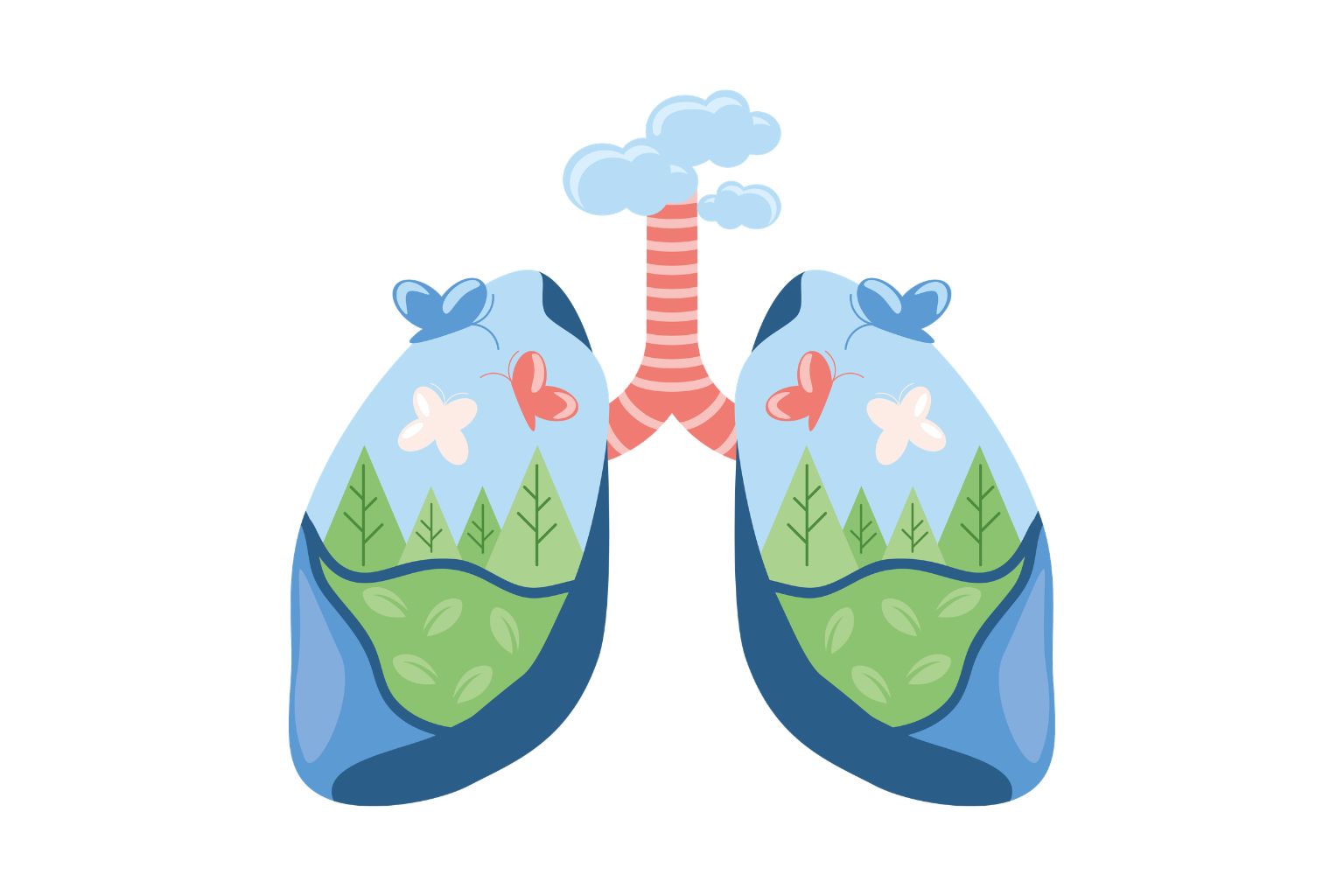
These moments may look like simple play, but they give children the chance to practise physical, cognitive and social skills while experiencing the natural world.
And it doesn’t need to become another parenting project. You don’t need an elaborate bushwalk – sometimes it’s noticing the clouds on the way to school, digging in the garden, walking the dog, riding a bike or sitting under a tree.
Stir in movement
Children are not designed to sit still all day. Movement isn’t a distraction from learning. Movement is part of healthy development. When children run, jump, climb, dance, balance and play, they are developing physical skills, coordination and confidence. Regular physical activity is also linked to benefits for children’s physical health, cognitive development and mental wellbeing.
For some children, movement can be an especially useful way to manage energy and emotions. Think about what happens when an adult has been sitting at a desk all day. Sometimes we need to stand up, stretch our legs, take a walk and get some fresh air before we can think clearly again.
Children need opportunities to move throughout the day too. Sometimes a child who appears restless, distracted or overwhelmed doesn’t need more instructions. They might need to move. A bike ride. A game of chasey. A walk after dinner. A dance party in the kitchen. A trip to the park. The goal isn’t to add another task to your parenting checklist. It is simply to create more opportunities for children to move their bodies in ways that feel enjoyable.
Add a heaped cup of play
Play is often underestimated because it looks like children are ‘just having fun’. But it’s how children rehearse the skills that matter – creativity, problem-solving, communication, cooperation, flexibility and emotional regulation.
A child playing shops is practising social communication. A child building with blocks is experimenting and planning. A child inventing an imaginary world is using creativity and language. A child playing a game with a sibling is negotiating, and learning patience. Playing outdoors adds physical skills and a connection with nature.
Play is one of the ways children make sense of their world – and, perhaps most importantly, it gives them joy, curiosity and agency.
Fold through connection
There is another essential ingredient in a healthy childhood that cannot be measured on a nutrition label. Connection. Children’s relationships and environments are important influences on their development and wellbeing. When children experience responsive, caring relationships, they have a secure base from which to explore, learn and gradually develop independence. This doesn’t require hours of uninterrupted “quality time” every day.
Connection often happens in tiny moments. Talking in the car. Cooking together. Reading a story. Asking, “What was the best part of your day?” Listening when they tell you something that seems small. Sitting beside them when they are upset. Laughing together. These moments communicate a powerful message: You matter to me, you belong here. I see, hear and value you.
A sense of connection is an important foundation for children’s social and emotional development.
When things boil over
Parents often wonder whether food, lack of exercise, too much screen time or not enough sleep is responsible for difficult behaviour. Sometimes these factors can contribute to how children feel and function. But children’s behaviour is influenced by many different things, and it’s rarely helpful to look for just one cause. A hungry child may find it harder to manage emotions. A tired child may struggle with concentration and flexibility. A child who hasn’t had opportunities to move may be restless. A child who has been inside all day may benefit from some fresh air and space. A child who has had a difficult day at school may simply need connection and comfort.
Before asking, “What’s wrong with my child?”, it can sometimes help to ask: “What might my child need right now?” Food? Rest? Movement? Fresh air? Connection? Comfort? Or perhaps simply someone who understands that today has been hard. This doesn’t mean we ignore behaviour or remove expectations. It simply means being curious about what might be influencing it. That small shift can change the way we respond.
Repeat daily
Healthy families aren’t created through perfect meals, perfectly balanced routines or children who always want to play outside. There will be busy mornings. There will be screens. There will be takeaway. There will be days when everyone is too tired to go to the park. There will be vegetables left untouched on the dinner plate. That’s family life.
What matters is what happens most of the time. A nourishing breakfast. A game in the backyard. A walk in the fresh air. A meal shared together. Time to play. A good night’s sleep. A conversation in the car. A cuddle after a difficult day. These moments may seem small, but repeated over months and years, they become part of the environment in which children grow.
So perhaps we can take some of the pressure out of raising healthy children. We don’t need to create perfect childhoods. We just need to offer enough nourishment, movement, nature, play, rest and connection to support children as they grow, learn and flourish. Because wellbeing isn’t created by one perfect choice. It is created by thousands of small moments. And every ordinary day gives us another opportunity to provide them.
Where this recipe comes from
This article draws on the Australian Dietary Guidelines and World Health Organisation recommendations for young children’s nutrition, physical activity, sedentary behaviour and sleep, alongside research into child development, play, nature, physical activity and social and emotional wellbeing.

The evidence does not suggest that there is one perfect formula for raising a healthy child. Instead, children’s health and development are influenced by a range of interconnected factors–including nutrition, movement, sleep, play, relationships and the environments in which children live and learn.
The goal isn’t perfection. It’s giving children plenty of opportunities to thrive.
Unmad: Stress less and connect more out now:
positivemindsaustralia.com.au/books/unmad
Follow KIDDO on Instagram and Facebook, and subscribe to our weekly newsletter