
By Valando Demetriou, Mini Ivy Art Studio
Valando Demetriou is the founder of Mini Ivy, a structured arts-based early childhood development program. A qualified early primary teacher, she is passionate about helping young children build confidence, independence and the learning behaviours that support school readiness.
For years, the arts have been treated as the soft option; the thing children do after the real learning is done. As a former early years teacher, I watched this play out across classroom after classroom. The children who arrived most ready to thrive weren’t necessarily the ones who could already write their name. They were the ones who could sit with a tricky moment, try something new, and stay curious when things didn’t go to plan.
That observation shapes how I think about creative development today, and it’s the reason I co-founded Mini Ivy Art Studio.
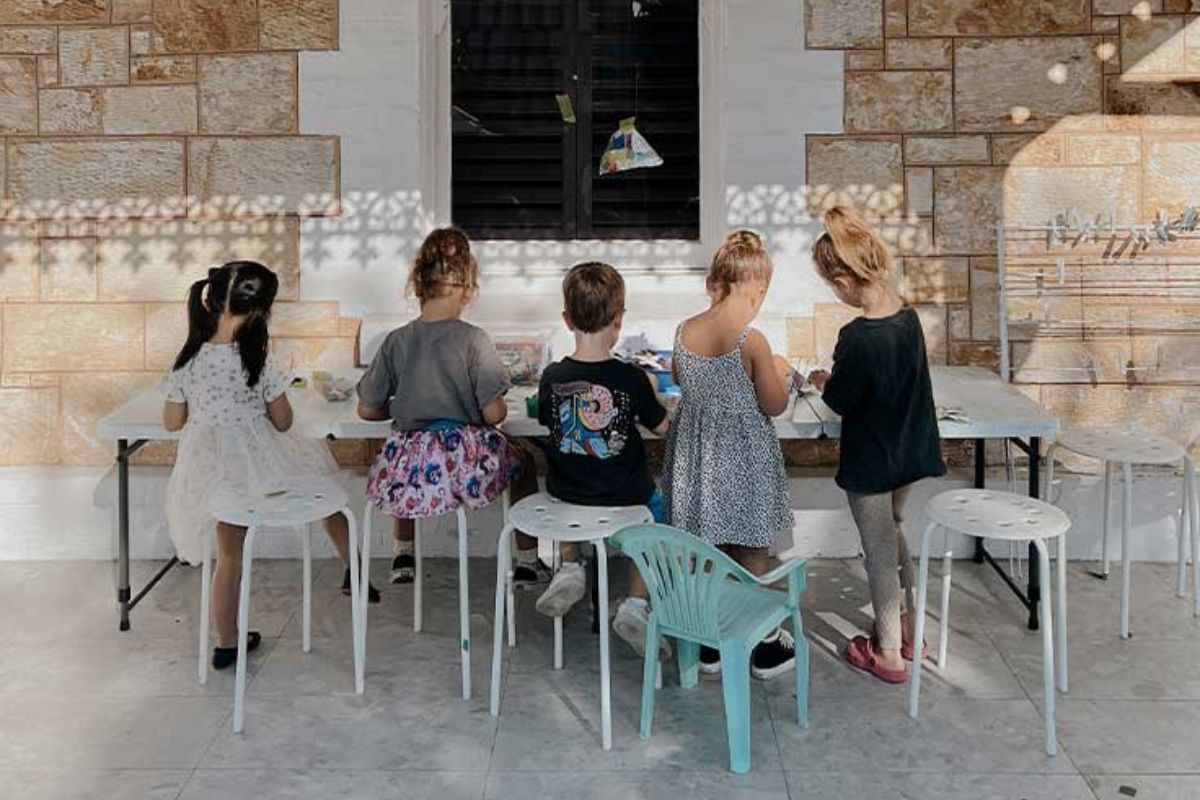
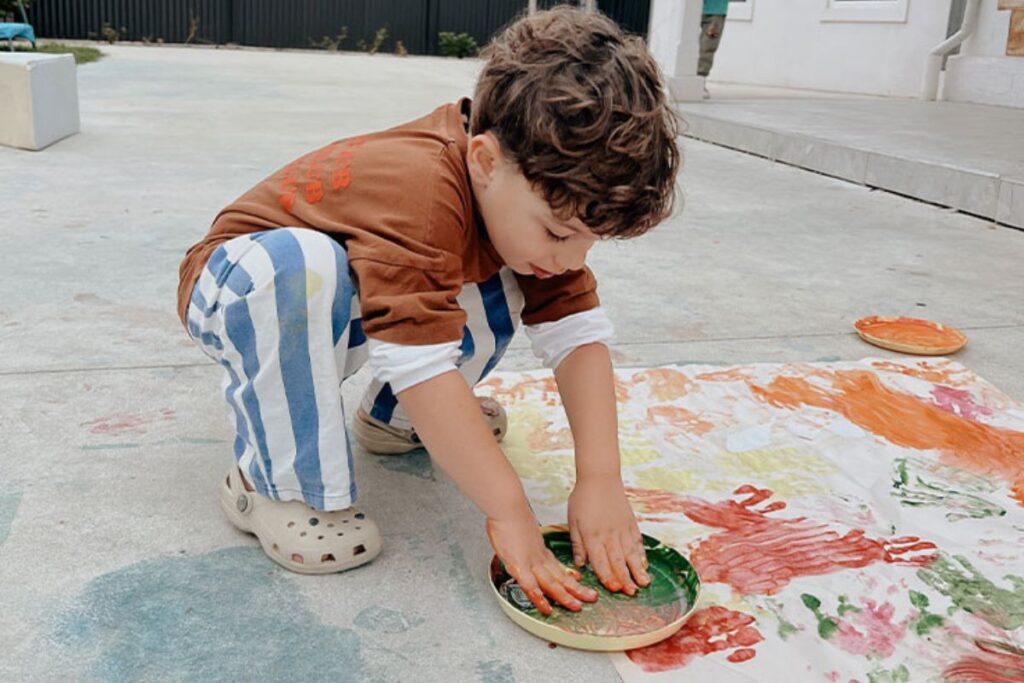
Structured creative programs, the kind that run alongside kindy, school and family life rather than competing with them, give children something that’s harder to measure but easy to observe. A child who can work through a 90-minute session, follow a sequence of steps and persist when something doesn’t work the first time is practising focus, problem-solving, fine motor control and emotional regulation all at once. The art is the vehicle. Development is the outcome.
Extracurricular learning, when it’s intentional rather than incidental, isn’t a top-up. The hour a week a child spends in guided creative development can do extraordinary things for their development. The research increasingly supports what many early childhood educators already know, that creative experience builds the foundational skills, confidence, resilience, the ability to concentrate, that no textbook can deliver directly.
What a child takes home isn’t really the painting. It’s who they became while making it.
What the research says
Studies in early childhood education consistently link structured arts participation with improved fine motor coordination, visual-spatial awareness and cognitive flexibility. Children who engage regularly in guided creative activities show stronger hand strength and control, enhanced visual processing skills and a greater capacity for focused task engagement. Art-based learning has also been associated with improved planning and sequencing abilities, the kind of thinking that supports children across every area of school life, not just in the studio.
Mini Ivy Art Studios
211 Henley Beach Road, Torrensville
378 Payneham Road, Payneham
miniivy.com.au
Follow KIDDO on Instagram and Facebook, and subscribe to our weekly newsletter