Tucked away on the Tatachilla Lutheran College campus in McLaren Vale lies one of South Australia’s most pristine ecosystems. The Tatachilla EcoSanctuary is a 3.4-hectare stretch of restored native wilderness that’s become a living classroom for students learning to understand and protect the natural world.
Around 25 years ago, the college embarked on an ambitious project to transform what was once farmland into thriving native habitat. Today, that vision has become a vital part of how Tatachilla students learn about sustainability, biodiversity and environmental stewardship, all aligned with the Australian curriculum.
A home for native wildlife
The EcoSanctuary isn’t just a nature reserve to admire from a distance. It’s home to a range of native fauna including brush-tailed bettongs, tammar wallabies and long-nosed potoroos, and students play an active role in their care and monitoring.
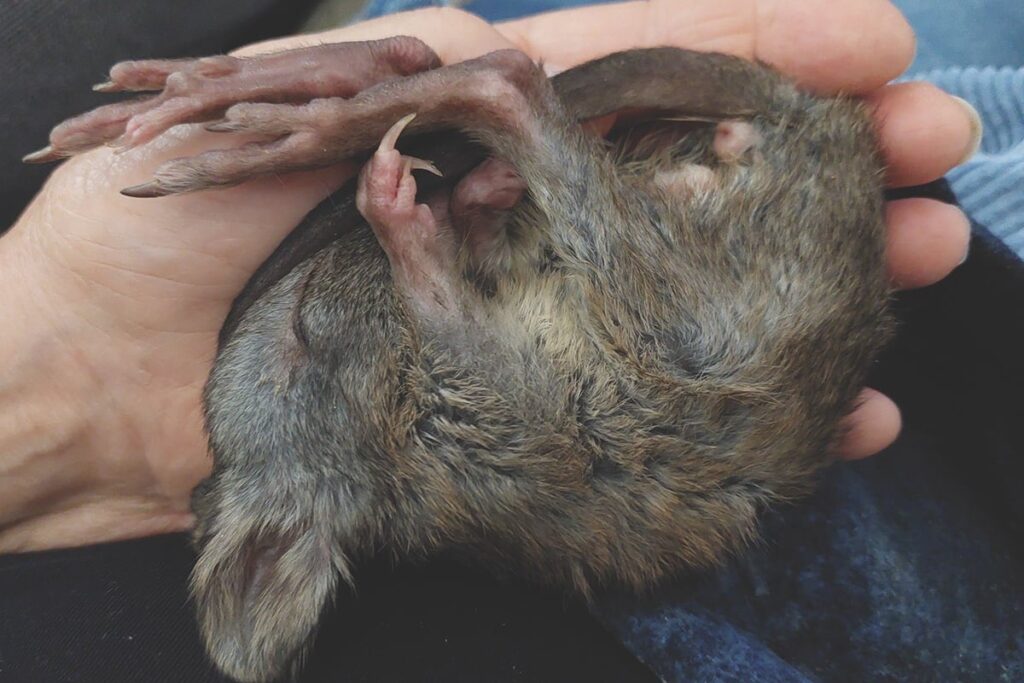
One resident who captured hearts across Australia earlier this year was Ozzy, an orphaned long-nosed potoroo. When Ozzy’s mum succumbed to a bacterial infection, the EcoSanctuary wildlife team faced the delicate challenge of hand-rearing the tiny joey. At first, things looked uncertain. Ozzy struggled with the loss of his mother, and the team worried he might not pull through.
But with expert care from Aldinga Veterinary Services, Southern Koala and Echidna Rescue and the EcoSanctuary’s dedicated volunteers, Ozzy slowly recovered his strength and was transferred to the EcoSanctuary Rescue Centre.
Tatachilla students were part of Ozzy’s journey from the beginning. Several classes quietly observed his feeding sessions, while some students even crocheted pouches for the little potoroo to sleep in. With carefully managed nightly visits from his potoroo family and friends, Ozzy successfully reintegrated into the sanctuary’s thriving colony.
Environmental education on the doorstep
For Tatachilla students, the EcoSanctuary offers something textbooks simply can’t replicate: the chance to spend intentional time in the natural world, building both scientific knowledge and a genuine connection to the environment.
Students in the junior years attend timetabled lessons in sustainability and biodiversity with a qualified Environmental Education Officer. They learn about the plants and vegetation that once flourished across South Australia’s inland and coastal areas, many of which now thrive again within the sanctuary.
Each year, junior students roll up their sleeves for native-tree planting week, helping to plant more than 400 native grasses, shrubs, climbers, trees and herbs across the sanctuary. It’s hands-on learning that gives children a tangible sense of contribution to something bigger than themselves.
Becoming an EcoRanger
Once students reach their middle years (Years 7-9), they have the opportunity to take their involvement to the next level by becoming Tatachilla EcoRangers.
This weekly co-curricular program goes well beyond observation. EcoRangers participate in animal care and habitat preservation, learning practical skills that give them a real role in the sanctuary’s ongoing work.
Students learn to:
- Trap and monitor the sanctuary’s resident mammals
- Check animals for overall health, weight and gender
- Participate in the sanctuary’s breeding programs
- Undertake seed propagation for native plants
It’s the kind of hands-on experience that builds genuine understanding of what it takes to restore and maintain a healthy ecosystem.
Learning that lasts
What makes the Tatachilla EcoSanctuary special isn’t just the wildlife or the restored habitat. It’s the way the sanctuary weaves environmental education into everyday school life, giving students at every age level meaningful ways to connect with and contribute to the natural world.
From crocheting pouches for orphaned potoroos to monitoring breeding programs as EcoRangers, Tatachilla students aren’t just learning about sustainability. They’re living it. And in a world where the next generation will face significant environmental challenges, that kind of education matters.
The EcoSanctuary stands as proof of what’s possible when a school commits to restoration and education over the long term. Twenty-five years on, what was once farmland is now a thriving native ecosystem, and the students who pass through its gates leave with knowledge, skills and a sense of responsibility for the world around them.
Discover more about the Tatachilla Sanctuary – www.tatachilla.sa.edu.au
Follow KIDDO on Instagram and Facebook, and subscribe to our weekly newsletter