Why gardening might be the after-school activity our little legends need
By Mr Luke, primary school teacher
Sometimes, one of the most powerful after-school activities is much simpler. It might be sitting quietly in the backyard, on the balcony, or near a windowsill, with a little pot of soil just waiting to grow.
I have always loved plants, although I must say with full honesty, I have not always been the most reliable plant parent. Some plants have thrived. Some have, shall we say, quietly packed their bags and left this world. But that is kind of the magic of gardening. It is not about being perfect. It is about noticing, trying, caring, waiting, and occasionally learning that a plant cannot survive on good intentions and positive vibes alone (unfortunate, I know.)
When we think about extracurricular activities for children, we often imagine sports, music lessons, dance classes, swimming, or art. All wonderful options. But they can also come with outfit changes in the car, carefully packed snacks, colour-coded schedules, and caregivers suddenly realising they have accidentally become a tiny human Uber service.
Gardening is one of those beautiful activities where children are learning constantly, but it doesn’t feel like a lesson. They are outside. They are touching, smelling, watering, wondering, digging, and more often than not, getting just the right amount of muddy. In a world where so much is instant, a seed gently reminds children that some things take time.
A tiny seed before big school
One of my favourite little traditions at my school happens before our newest students have even officially started. In our Welcome to Big School pack during transition, each child receives a sunflower seed to grow over the Christmas holidays.
It is such a small thing, just a tiny seed and a little pot with a soil tablet, but it often becomes something much bigger. When school begins, we hear stories about where the seed was planted, who remembered to water it, and how tall it has grown. Some children come in beaming. Others come in with a very dramatic tale of forgetting it existed, overwatering, or something that involves their pet dog. All valid garden reports.
But that is the point. Gardening is not just about the perfect end result. It is about children beginning to understand that living things need care, that growth is gradual, and that things do not always go exactly to plan.
Then there is responsibility. Watering a plant, checking the soil, or gently pulling out weeds are small acts of care that help children see they can contribute to something thriving.
There is also resilience. Not every seed will grow. Sometimes the weather is rude. Sometimes a child loves a plant so enthusiastically that it is watered into another dimension. And that is okay. A big lesson, wrapped in a little pot of soil.
Learning in disguise
As a teacher, one of the things I love most about gardening is how much learning is quietly disguised inside it. When children plant a seed, they begin asking questions.
What does it need? Why have the leaves drooped? What is that bug doing there? Where are the worms? How old are the worms? Can I keep it? Can I name it Kevin?
Gardening invites curiosity. Children begin to notice changes over time. They build vocabulary naturally: seed, soil, stem, roots, sprout, wilted, blooming, harvest. They make predictions. They see cause and effect.
The best part is that it all happens in a way that feels playful and meaningful. Gardening does not need a worksheet. It does not require adults to have all the answers. In fact, some of the best moments happen when we wonder alongside children. “I’m not sure. Let’s find out together!” That sentence alone is gold.
From garden to table
One of the most exciting parts of gardening with children is when the experience becomes full circle. They plant, water, wait, care, and eventually, if all goes well, they get to taste something they have helped grow.
When my little legends have the chance to eat something from our school garden, you would think they had won the lottery. The excitement over beans and peas is truly something to behold. These are often the very same children who, a week earlier, opened their lunchbox, spotted a bean or pea, and told me with great confidence that they definitely do not like them.
Well, look at them now.
What children grow while plants grow
When children grow plants, they are also growing some pretty important life skills.
First, there is patience. The kind that cannot be skipped, rushed, or solved by refreshing the page. A seed takes the time it takes. Growth is not always loud. Sometimes it is a tiny green shoot appearing when no one is watching. It is about giving children a meaningful connection to what they eat and helping them see food as something living, growing and worth noticing.
Starting small at home
The good news is that children do not need a big backyard or fancy tools to begin. A pot on a balcony. Herbs on a windowsill. Cress grown in cotton wool. A bean in a jar. Sunflower seeds in a cup. A lettuce base regrowing in water.
Some great beginner options include sunflowers, beans, snow peas, cress, basil, mint, parsley and succulents. Fast-growing plants give visible feedback quickly, and the morning a child finally spots a sprout, oh my stars, get ready for the excitement.
Keep the jobs simple. Children can scoop soil, poke holes for seeds, water with a small watering can, pull out weeds, or give the plant a name. Naming is, of course, not scientifically required. But emotionally? Essential.
The conversations matter too. Instead of “has it grown?” try “what do you notice today?” or “what do you think is happening under the soil?” These little questions build language, thinking and connection. They remind children that observation is a skill worth practising.
Dirty hands, big lessons
Gardening with children does not need to be expensive or perfect. It can be a few minutes after school. A weekend watering job. A sunflower seed tucked into a welcome pack before a child begins their first year of school.
When children grow plants, they are not just learning how gardens work. They are learning how care works. They are learning that small actions matter. And sometimes, the most meaningful lessons happen beyond the classroom, outside in the fresh air, with dirty hands, muddy shoes, and a tiny green shoot reaching for the sun.
Follow Mr Luke on Instagram for more classroom moments, plant updates, and the occasional confession about a fiddle leaf fig: @iam.mrluke
Mr Luke’s favourite leafy legends
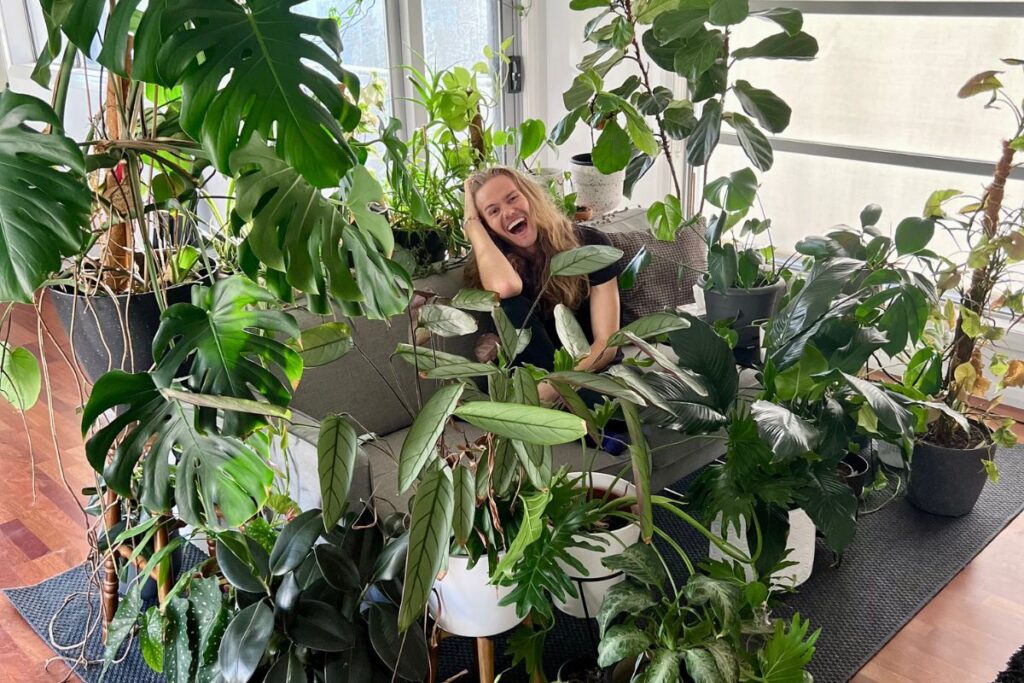
For a while there, my goal was simple: turn my house into a jungle. More plants. More pots. More moments of standing in a nursery thinking, “surely I can fit one more somewhere.” These days, it is less about quantity and more about caring for fewer, stronger plants. Still around 30, but a little more intentional.
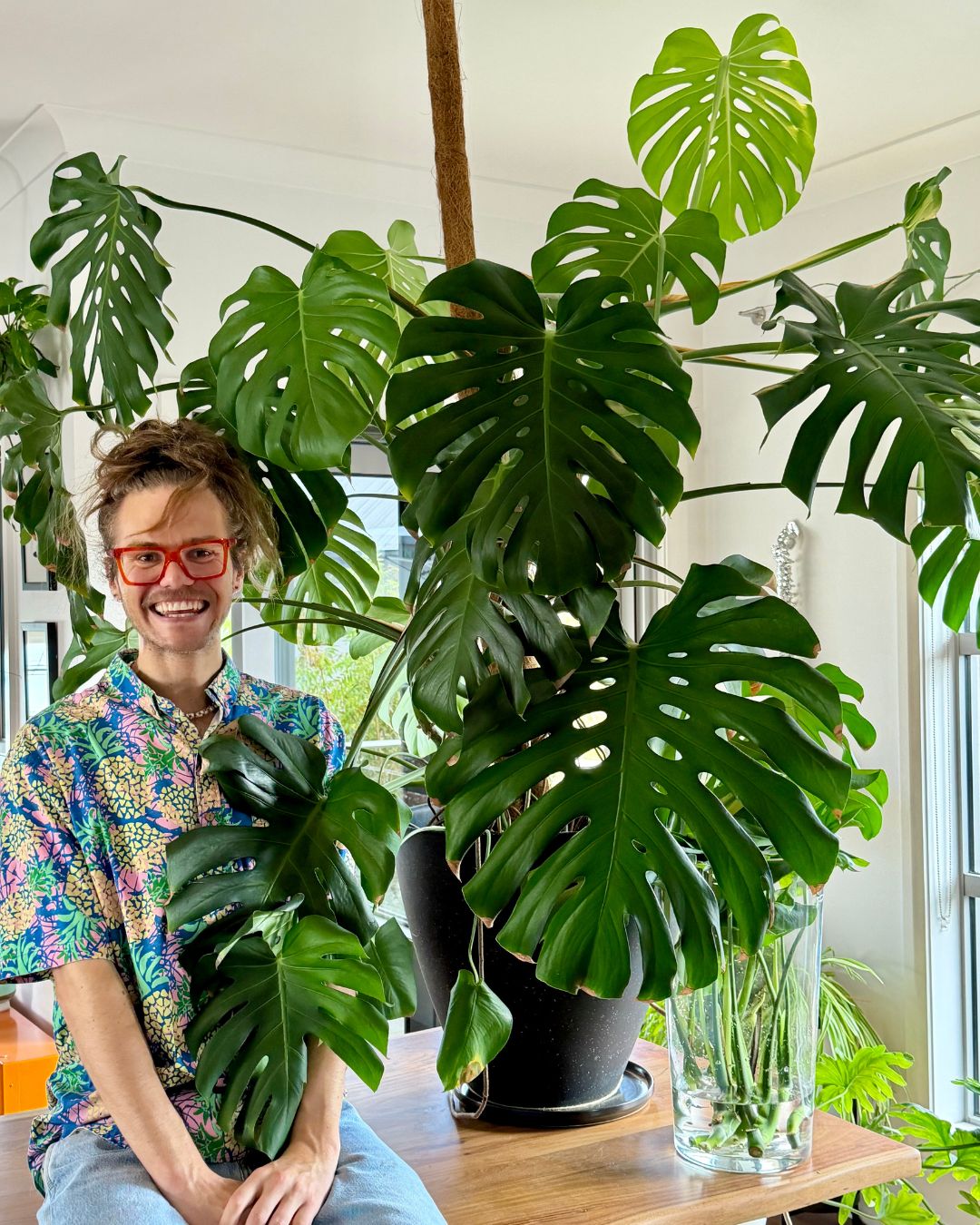
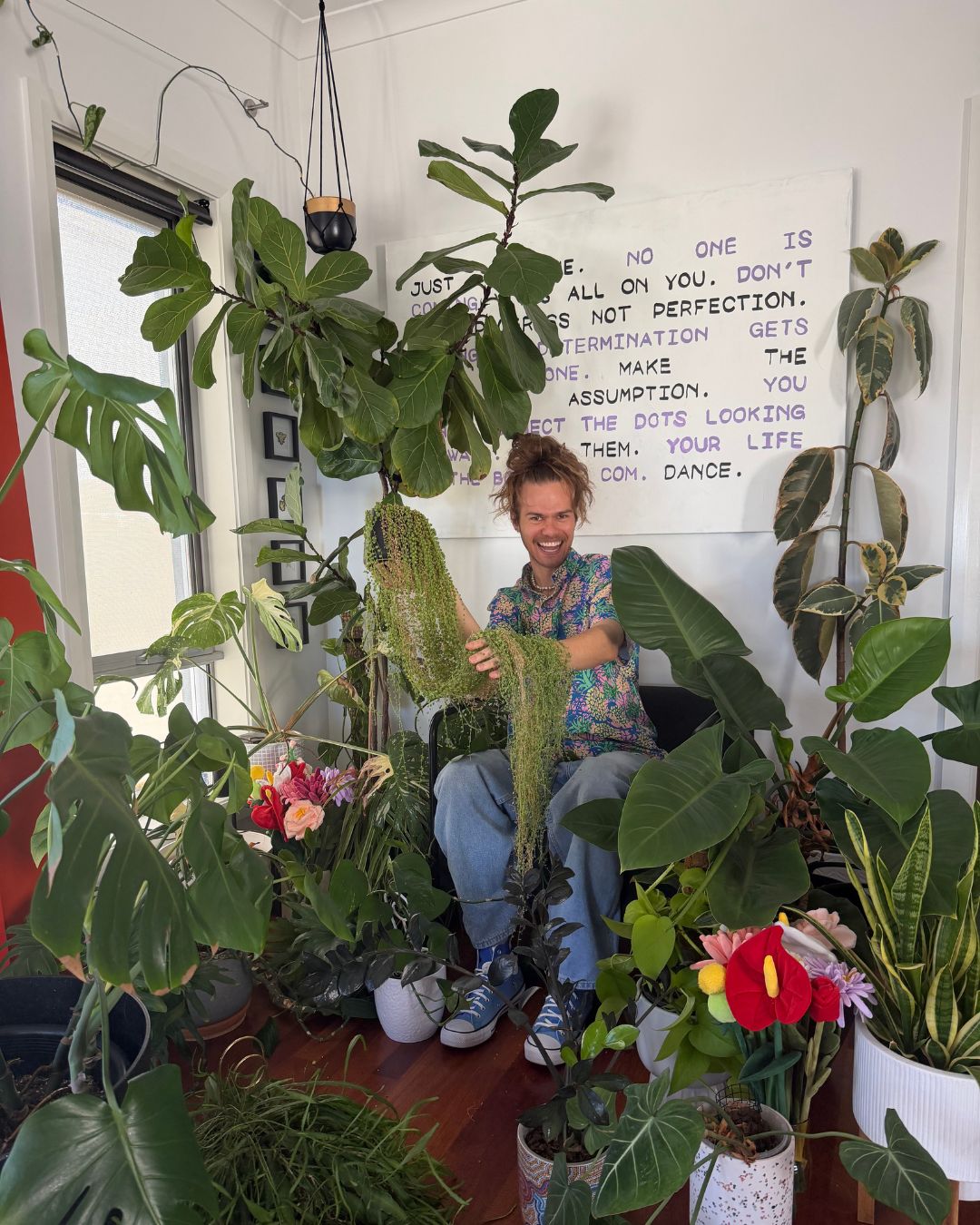
My favourites are pothos, ZZ plants, monsteras, fiddle leaf figs and snake plants. My largest monstera (currently nameless, suggestions welcome) was one of my very first house plants, and if I ever move, I have no idea how I am getting it out. Then there is my fiddle leaf fig, which I once carried three kilometres home from Bunnings after realising a five-foot plant was obviously not going to fit in my car. I slept very well that night.
For classrooms, I love plants that are hardy and forgiving. Pothos handle lower light without fuss. Snake plants are strong, sculptural and low-maintenance. ZZ plants are famously hard to destroy, which is ideal in a classroom where survival really is the daily goal.
Follow Mr Luke @iam.mrluke
Follow KIDDO on Instagram and Facebook, and subscribe to our weekly newsletter