Words by Jason Tyndall, Nature Play SA

Nature-based experiences provide real-world context and rich, unpredictable sensory input that brings learning to life, effectively nurturing core dispositions like curiosity, cooperation, creativity and persistence. These dispositions are central to the Early Years Learning Framework (EYLF) and the Australian Curriculum, which recognise that fostering positive attitudes to learning is as essential as building knowledge and skills.
Outdoor environments naturally prompt children to ask questions, collaborate with peers, identify challenges, and negotiate solutions, actively supporting the development of positive learning dispositions. For example, as children work together to build a shelter, they develop persistence and cooperation. And their innate curiosity and creativity emerges when they observe wildlife or experiment with natural materials.
Research shows that regular time in nature supports every aspect of a child’s development. Those who spend more time outdoors show improved attention, reduced anxiety, enhanced social skills, and stronger language development. These benefits extend to greater academic engagement, long-term wellbeing and the cultivation of the dispositions that underpin lifelong learning.
And the best part? Outdoor learning and play don’t have to involve elaborate resources or remote bush settings. Even modest outdoor environments offer developmental advantages, more so when available year-round.
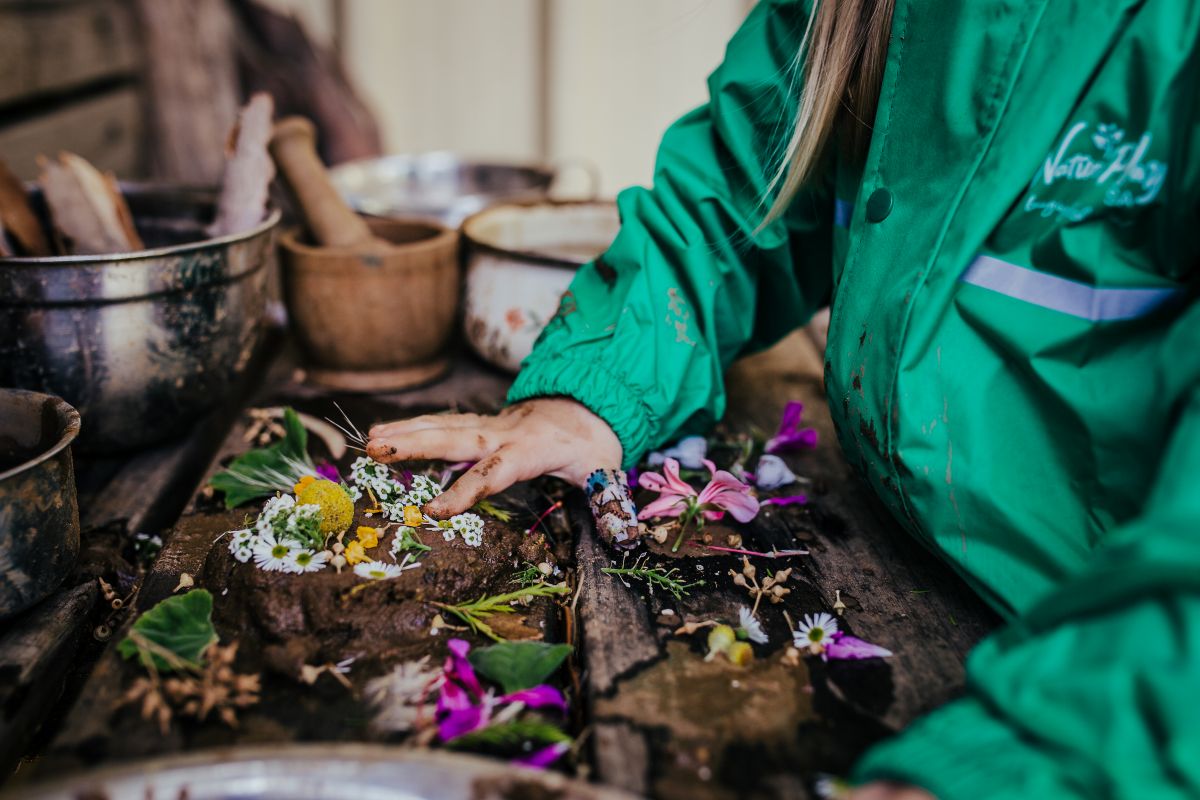
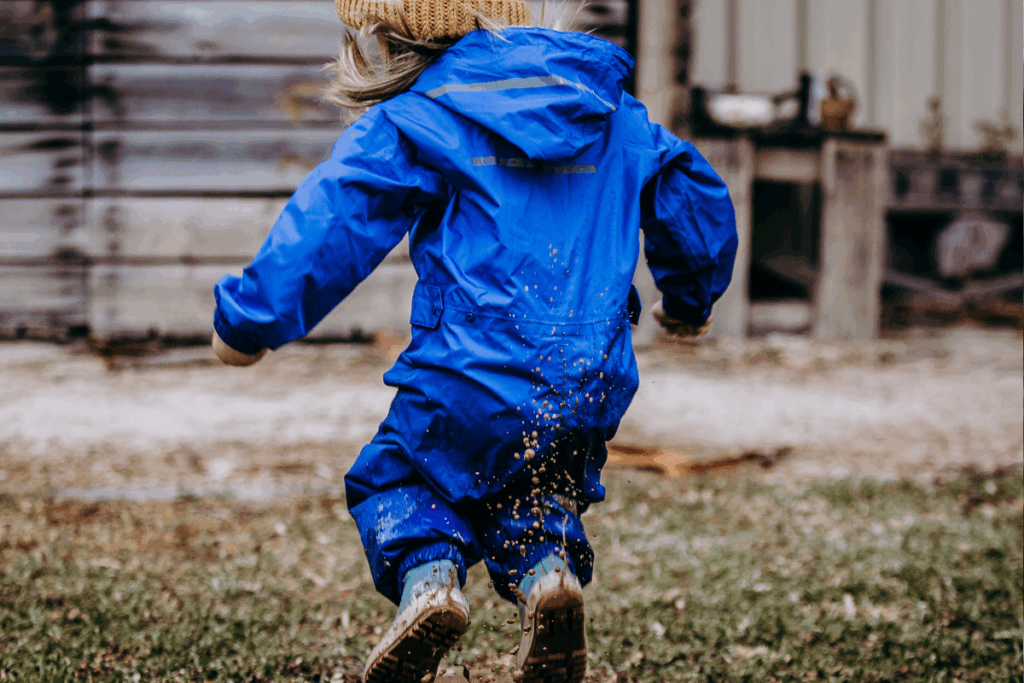
When children are supported to explore, take risks, embrace the elements and play freely outdoors, they discover the joy in every season. Playing outside in rain, wind or cold fosters flexibility and adaptability, helping them respond confidently to changing conditions. They learn that the world doesn’t have to be perfect to be enjoyable, develop ways to overcome discomfort and build emotional strength for life’s bigger challenges.
Of course, we know that weather and resources can feel like barriers. That’s why our not-for-profit offers affordable wet-weather clothing for education sites. And because all proceeds go back into our organisation, every purchase supports South Australian educators, learners and the broader community.
Follow KIDDO on Instagram and Facebook, and subscribe to our weekly newsletter