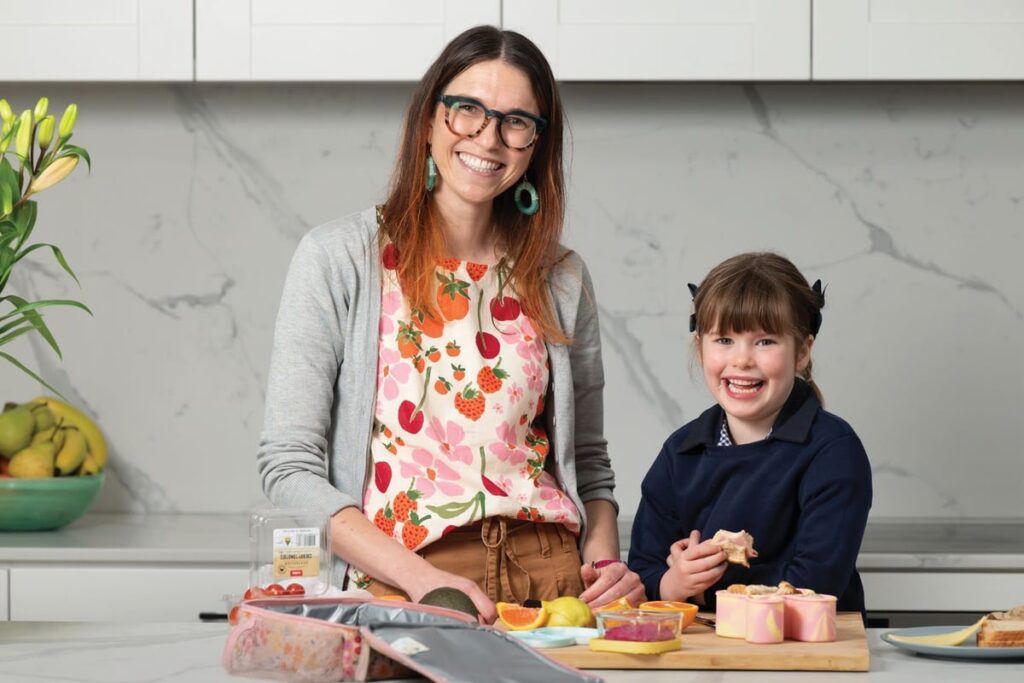
The humble school lunchbox has become a daily source of stress for many Australian parents. Between busy family schedules, rising grocery costs and the challenge of encouraging healthy eating, it’s little wonder inspiration runs dry.
But what if there was another way? Thanks to the support of Firefly Children’s Foundation, Dr Brittany Johnson is investigating how school-provided meal programs could transform the health and wellbeing of Australian children while easing the pressure on families.
We sat down with Dr Johnson to learn more about the research that could reshape the future of school food in Australia.
Firstly, congratulations on becoming Firefly Children’s Foundation’s newest Fellow. What does this fellowship mean to you?
The main thing is I get to keep doing what I love, which is researching how we can support kids to eat well. Professionally, it means I can grow my research team and have a little bit of job stability. It’s amazing that Firefly is offering this kind of support to mid-career researchers.
Many parents do their best to pack healthy lunchboxes, but your research suggests Australian children still aren’t getting the nutrition they need. What surprised you most when you looked at the data?
I was surprised to find that, regardless of socio-economic background, children are eating more discretionary foods – chips, crackers, biscuits, muesli bars – than recommended. On average, lunchboxes contain zero to one serve of vegetables, when kids need around five serves a day. If they’re not eating vegetables at school, that puts even more pressure on meals at home to make up the gap.
For parents reading this who are juggling work, rising grocery prices and busy family life, what do you want them to know? This isn’t about blaming families, is it?
Definitely not. We’ve heard from families how hard the juggle is to pack lunchboxes every day – it keeps coming around again, and there’s lots of those barriers that make it hard to pack those nutritious, safe lunches that kids eat. So that’s why we’re looking at school programs to overcome some of them.
Beyond healthier eating, what impact could nutritious school meals have on children’s learning, behaviour, and wellbeing?
Overseas research links nutritious school meals to fewer behavioural incidents, better academic performance and improved wellbeing. Australian school breakfast programs already recognise that hungry kids struggle to learn – school lunches build on that, keeping students nourished, focused and engaged. Shared mealtimes also help children connect with peers and feel part of their school community.
If your research is successful, what could school lunches in Australia look like in five or ten years’ time?
All students offered the same foods, eating with their friends and teachers, having the actual time to sit down and eat before heading off to play. And also, families will no longer be having those dilemmas about what to pack, or finding the lunchbox at the bottom of the school bag that has been barely touched.
Is there one simple change parents can make today to help build healthier eating habits at home, even if they’re short on time?
Simply just always offering vegetables. I always say just stick a few extra veggies into anything you’re cooking or preparing – it could be frozen peas and corn, or even some more tomatoes. It doesn’t need to be complicated.
Firefly Children’s Foundation invests in research that aims to change children’s lives. How will this fellowship help accelerate your work and bring Australia closer to an evidence-based school food system?
It will let us evaluate the impact of school-provided lunches on South Australian children’s diets and health outcomes, and use that evidence to design meal systems where nutrition and quality come first. We also want to find a funding model that’s sustainable long-term, so quality doesn’t slip if budgets tighten down the track.
If you could bust one myth about children’s nutrition, what would it be?
That nutritious food is expensive and needs to be fancy – I think people sometimes picture healthy lunchboxes as cute little bento boxes with food in the shape of flowers. But keeping it simple is just as nutritious. So, choosing local in-season foods, using frozen or canned can be ways that nutritious food can be affordable as well.
Finally, what’s your go-to lunch, and is there one food you wish every child would learn to love?
My lunches are usually leftovers. Or a chickpea slice that I cook in bulk and bring in across the week. My go-to food would be legumes. They’re affordable, they’re high-fibre, full of protein and they’re nice and filling, and there’s lots of different options so you can find one that’s their favourite.
For schools interested in getting involved in the school food initiative, or for more on how Firefly Children’s Foundation’s innovative research improves the health, education and welfare of children, visit firefly.org.au
Follow KIDDO on Instagram and Facebook, and subscribe to our weekly newsletter