
It’s 5.40am, someone has wet the bed, and you’re on your knees in the dark trying to work out which end of a fitted sheet is the short end. You get three corners on. The fourth won’t reach. You’ve put it on sideways, again, and somewhere in the house a small person is crying about it.
Making kids’ beds is one of the thankless jobs of parenting, and fitted sheets are the reason. It isn’t you. The design is working against you.
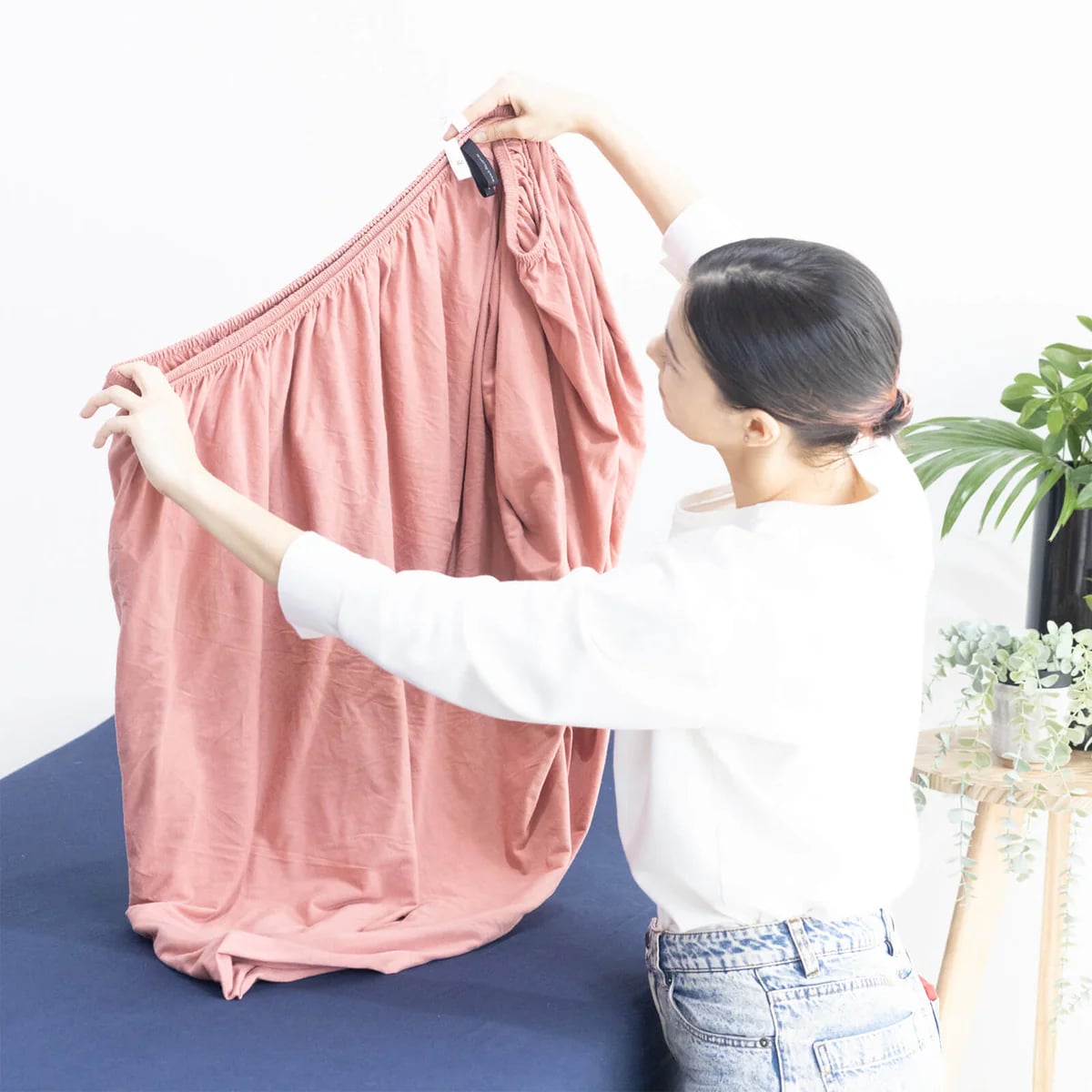
Why fitted sheets fight back
A standard fitted sheet gives you no information. All four corners look identical, there’s nothing on the hem to tell you which side is the long one, and a single mattress is close enough to square that you can get three-quarters of the way through the job before you realise you’re wrong.
Then there’s the depth problem. Most kids’ beds are carrying a mattress protector, sometimes a topper, and the sheet was cut for a bare mattress. The corners sit shallow, the elastic gives up, and by Wednesday the sheet has crawled off the bottom two corners and balled up under your child’s feet.
Cheap percale and poly blends go slippery after a few washes, and the elastic in the hem is usually stitched in a channel that twists and dies long before the sheet wears out.
The bunk bed problem
Anyone making a top bunk knows the specific indignity involved. There’s no room to stand, no room to lift the mattress, and no way to get your body weight behind the corner you’re trying to stretch. You’re working one-handed, at shoulder height, on a mattress that shifts every time you pull.
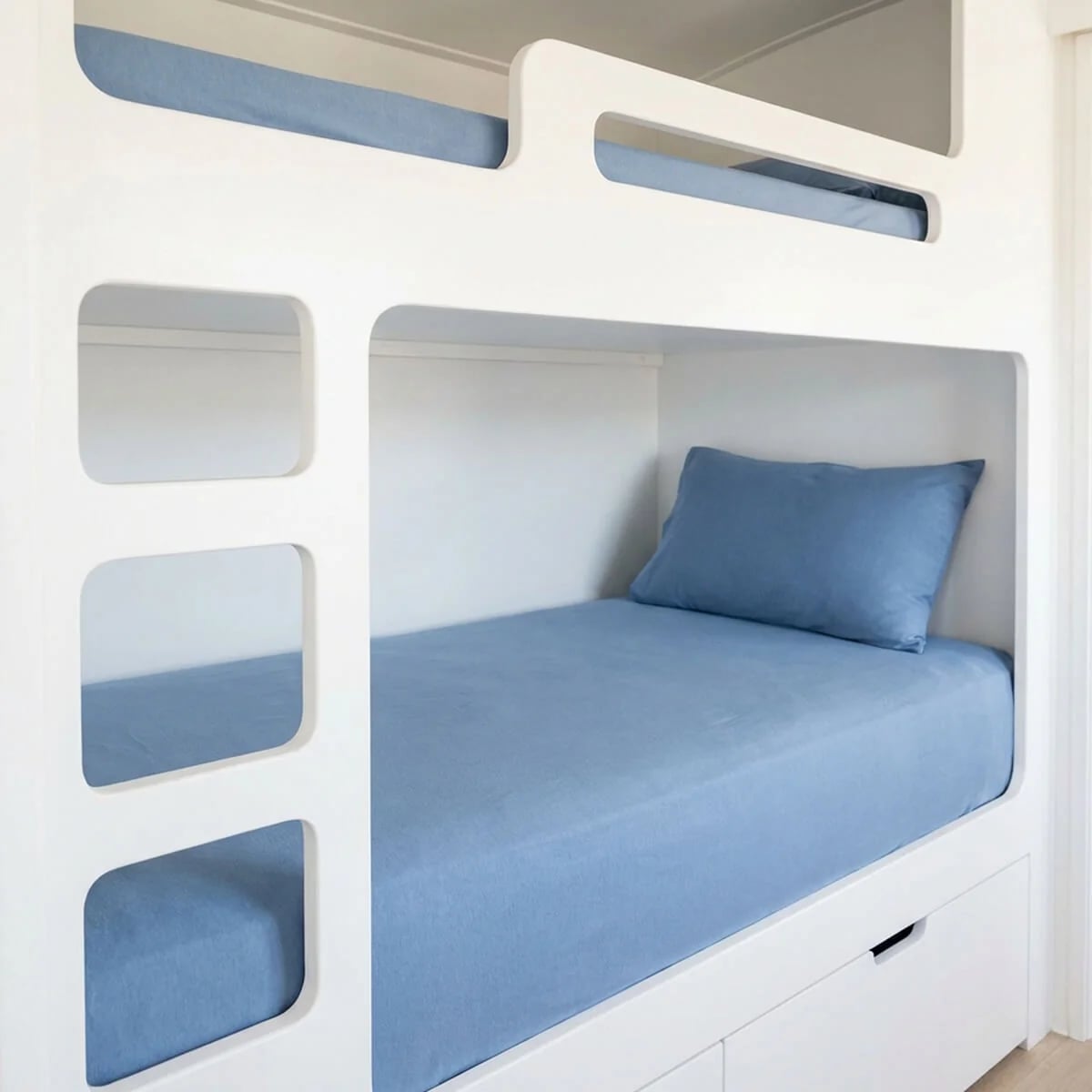
Same for trundles, King Single beds pushed into a corner, caravan bunks and any bed with one side against the wall. These are the beds where a sheet going on wrong the first time costs you five minutes and most of your good humour.
What actually helps
Mark your own sheets. Before you do anything else, take a laundry marker or a few stitches of coloured thread and mark the two short ends of every fitted sheet you own. Thirty seconds per sheet, and you’ll never guess again. This is the free version of the fix.
Layer the bed. Protector, sheet, second protector, second sheet. At 2am you strip one layer and the bed underneath is already made. Parents of bedwetters swear by this and it’s the single best piece of advice in this article.
Buy two fitted sheets per bed, and skip the flat one. Most kids kick a top sheet to the floor within an hour. A fitted sheet, a doona in a cover, done.
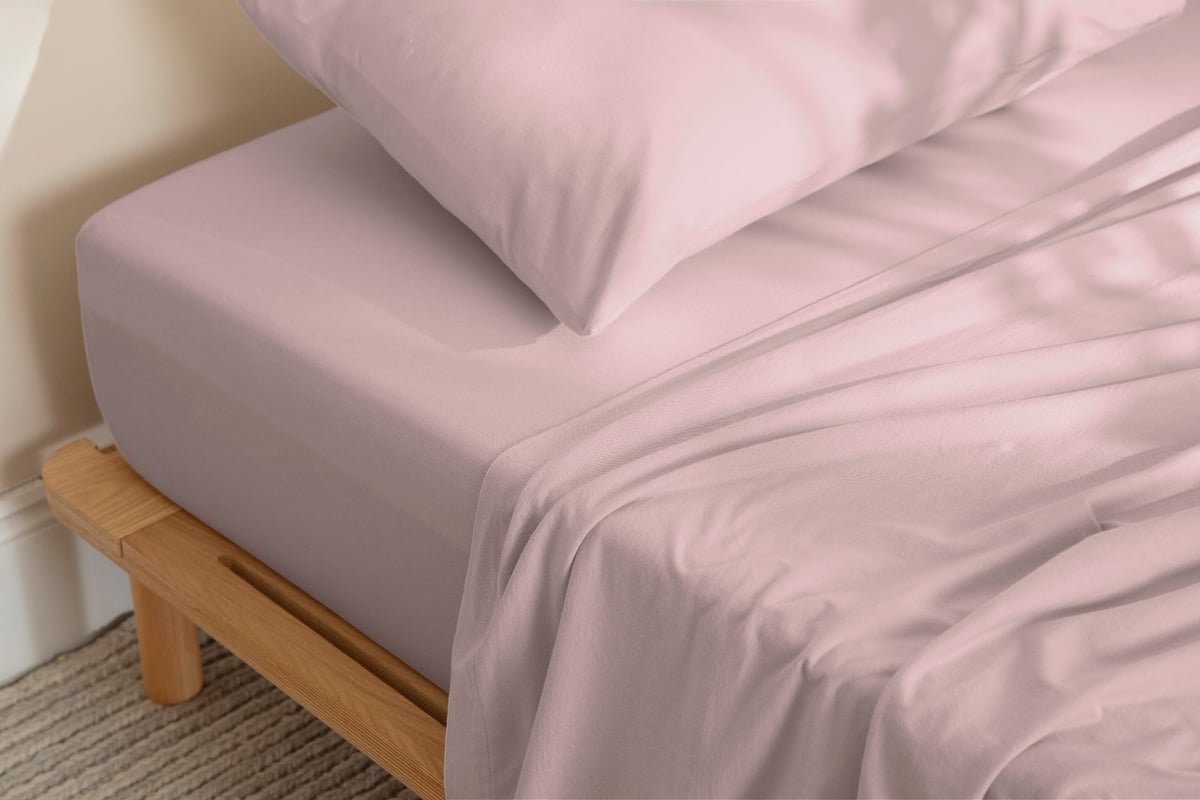
Size up if your bed is loaded. If you’re running a protector plus a topper, a standard-depth sheet was never going to make it. Check the pocket depth before you buy, not after.
Make wash night a habit, not a crisis. Sunday strip, everything through in one load, back on before dinner. It’s a worse job when it’s an emergency.
Where It-Fits comes in
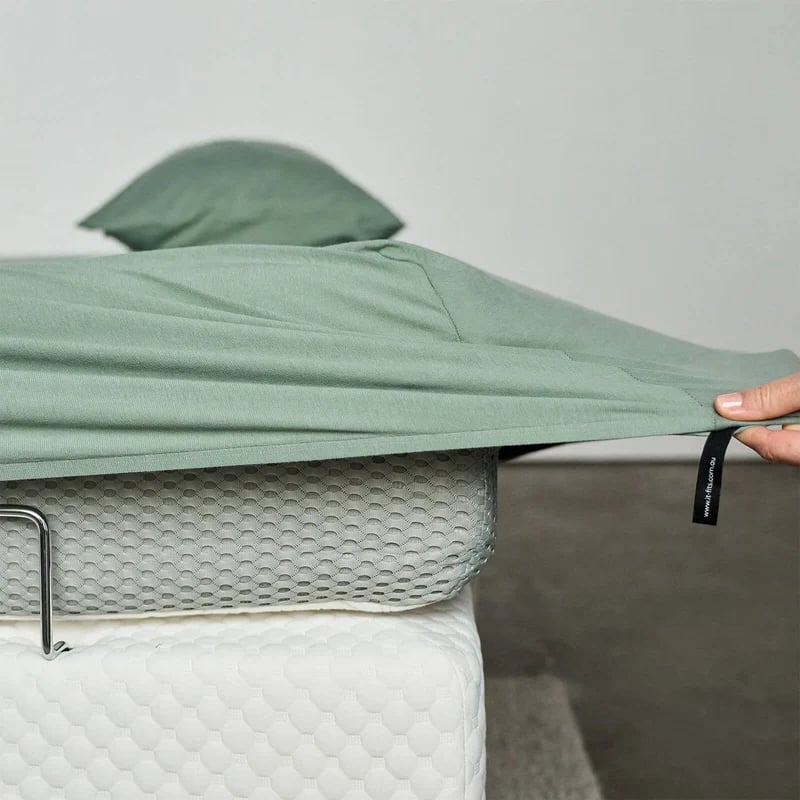
The Magic Corners are the bit that takes all the guesswork out. It-Fits jersey fitted sheets have colour-coded tabs sewn into the corners that tell you which way the sheet goes on before you start wrestling it. No holding it up to the light. No three-corner discovery moment.
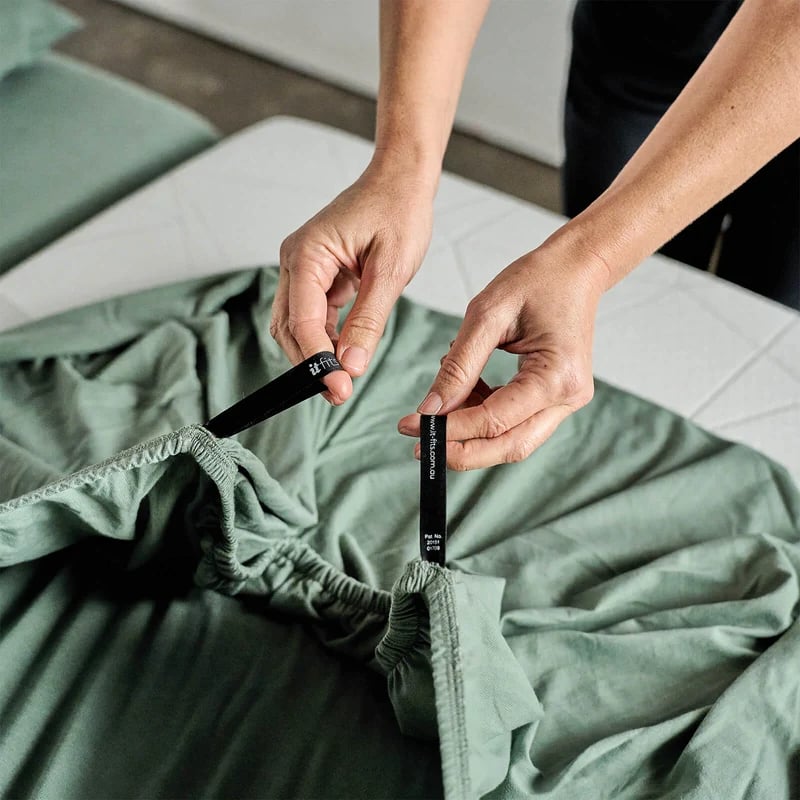
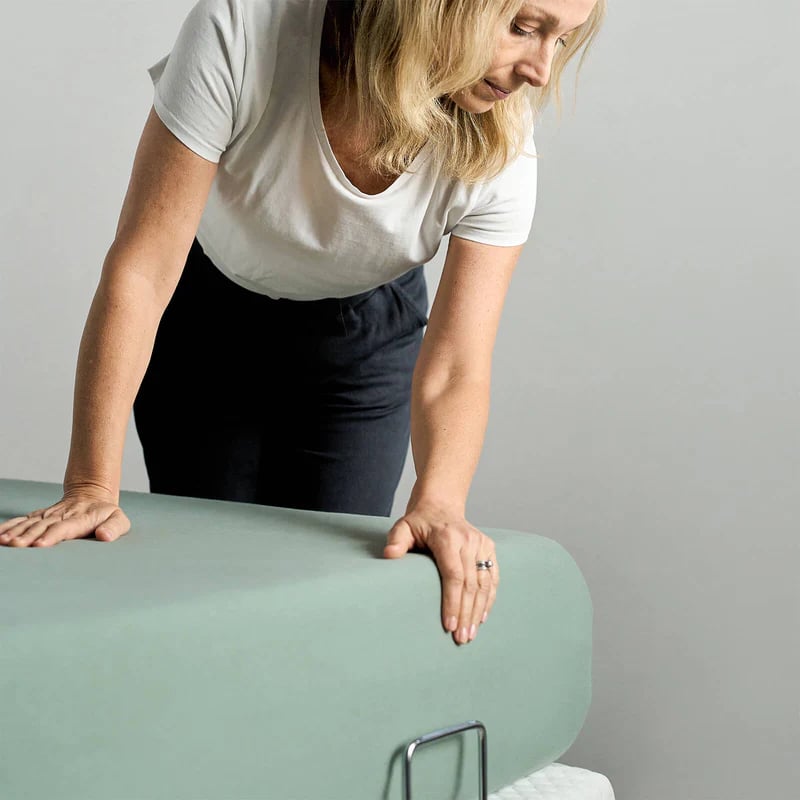
The rest of the design backs it up. The fabric is a stretch jersey, 100% Australian cotton and OEKO-TEX certified, so it behaves more like a t-shirt than a bedsheet. That’s exactly what you want when you’re stretching a corner over a top bunk one-handed. The pockets are deep, fitting mattresses up to 37cm, so a protector and a topper don’t blow the budget.
Because the fabric stretches rather than relying on a thin band of elastic, it holds on beds that aren’t quite standard. Bunks, trundles, caravan mattresses, adjustable bases.
It-Fits is Australian and family owned, started by Swiss-trained designer Kathrin Bickel, and the cotton is traceable back to the farm.
So next time you’re standing in the dark with a fistful of fabric and no idea which way is up, know that there are solutions. Some of them cost nothing. Some of them come with colour-coded corners. All of them beat swearing at a bunk bed at dawn.
Follow KIDDO on Instagram and Facebook, and subscribe to our weekly newsletter