
Women with postpartum psychosis are making repeated pleas for help before receiving a diagnosis, with the first Australian study of their help-seeking experiences finding many contacted health services an average of seven times before getting the care they needed.
Researchers from Flinders University interviewed 15 Australian women diagnosed with postpartum psychosis and found many felt their concerns were dismissed, misunderstood or attributed to more common post-birth experiences such as exhaustion, sleep deprivation, anxiety or the “baby blues”.
Postpartum psychosis is the most severe mental illness associated with childbirth and can develop suddenly in the days or weeks after birth. Symptoms may include hallucinations, delusions, mania, depression, paranoia and severe sleep disturbance, requiring urgent treatment. An estimated 300 to 600 Australian women experience the condition each year.
Women are asking for help
Lead author and Flinders University PhD candidate Donna McMahon says one of the study’s most important findings was that women were not concealing their symptoms.
“One of the strongest messages from this study is that these women are asking for help, and many know something is profoundly wrong, even when they cannot find the words to explain it,” says Ms McMahon from Flinders University’s College of Human Sciences and Culture.
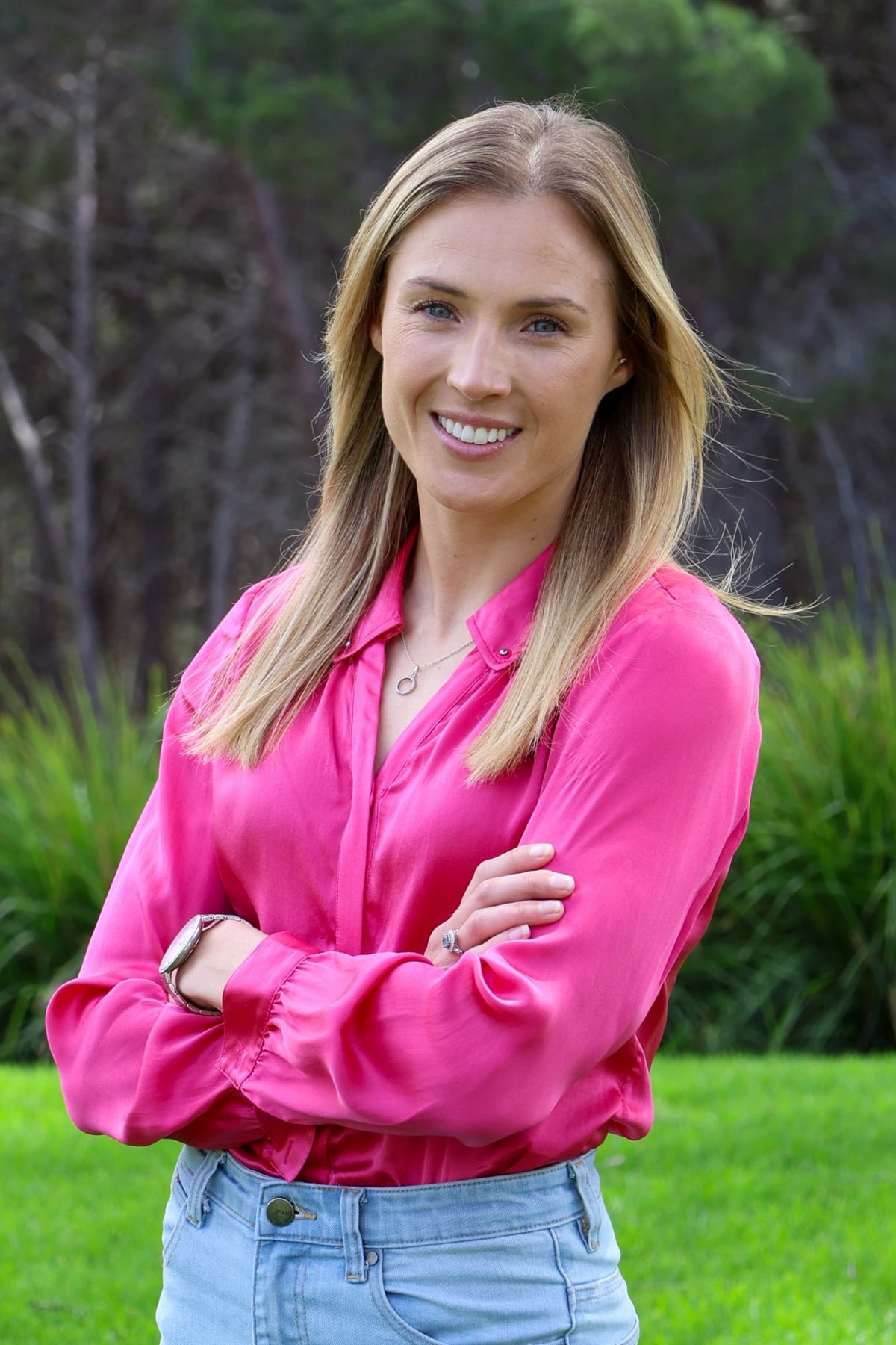
“They were not avoiding care. They were actively seeking it.”
Many participants described feeling unheard, with hallucinations, manic behaviour and severe sleep disturbance sometimes overlooked or not fully investigated. Women in the study often recognised that something was seriously wrong and actively sought help, yet many experienced lengthy delays before receiving an accurate diagnosis.
Early recognition is critical
Ms McMahon, whose doctoral research focuses on improving the detection and identification of postpartum psychosis, says the findings highlight opportunities for earlier recognition across maternity, primary care and emergency settings.
“While postpartum psychosis is treatable and many women make a full recovery, early recognition is critical, as delays in diagnosis can have serious consequences for mothers and their families,” she says.
“When women tell us something is not right, particularly in the days and weeks after birth, we need to listen carefully and investigate thoroughly. Their own insight may be one of the earliest warning signs.”
The emotional toll of delayed diagnosis
The study also highlights the emotional toll of delayed diagnosis. Women described losing confidence in their own judgement, feeling disconnected from the healthcare system and, in some cases, becoming reluctant to seek further help after their concerns were dismissed.
Ms McMahon says the consequences of delayed recognition can extend beyond the mother.
“When postpartum psychosis is not recognised quickly, the impacts can affect the entire family and their communities. It can increase distress for mothers, place enormous strain on partners and loved ones, disrupt the important early bonding period between mother and baby, and in severe cases, contribute to an increased risk of suicide and infanticide.”
“Our research shows there is a critical period where women are reaching out for help but are too often not being heard. Healthcare providers need to be actively listening and responding to mothers at that time,” says Ms McMahon.
“By recognising and validating those experiences, we have an opportunity to improve outcomes for mothers, babies and families.”
Where to find support
If you or someone you know is experiencing a mental health crisis during pregnancy or after the birth of a baby, support is available:
- PANDA (Perinatal Anxiety & Depression Australia): 1300 726 306 or panda.org.au
- Lifeline: 13 11 14 or lifeline.org.au
- Beyond Blue: 1300 22 4636 or beyondblue.org.au
- In an emergency, call 000 or present to the nearest hospital emergency department.
The paper, ‘It’s all in your head: A qualitative examination of the help-seeking experiences of women suffering postpartum psychosis’, was published in the Journal of Advanced Nursing.
Follow KIDDO on Instagram and Facebook, and subscribe to our weekly newsletter