More than a third of South Australian parents have experienced perinatal mental health symptoms and never asked anyone for help. Almost a third say they don’t know how.
Not knowing how is a fixable problem.

Two free clinics now open in South Australia
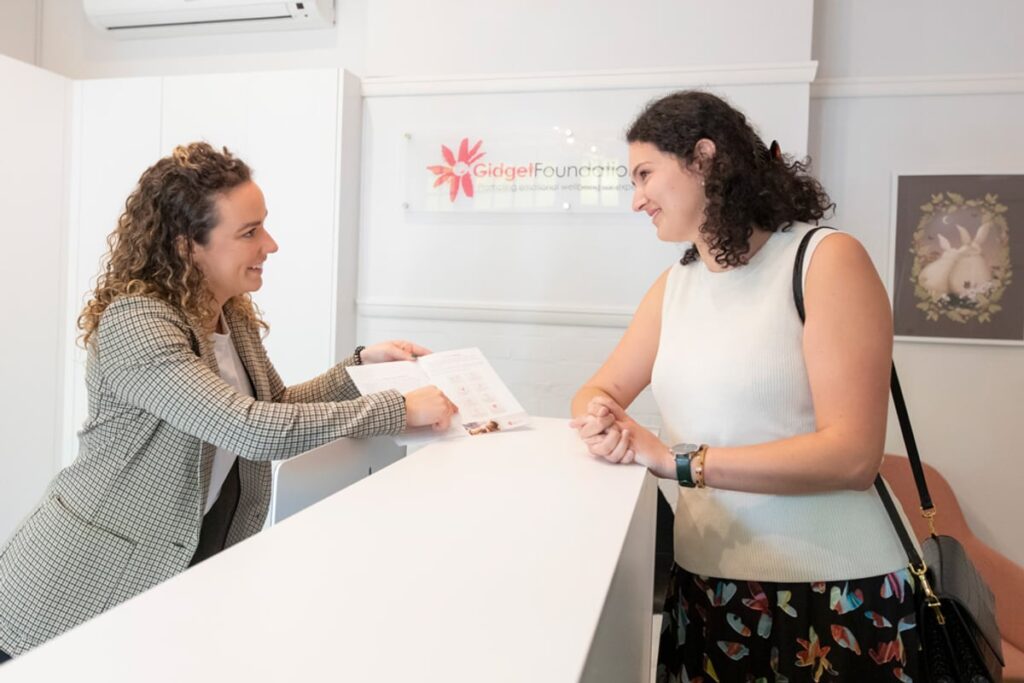
Gidget House Elizabeth opened in April 2026, the state’s first. Gidget House Murray Bridge followed in August, the second. Both offer face-to-face and telehealth psychological therapy with clinicians who specialise in the perinatal period.
Elizabeth sits inside the Elizabeth City Centre shopping complex, in partnership with United Way South Australia. Walking into a shopping centre is a very different proposition to walking into a mental health service, and for a lot of people that difference is everything. Appointments there run on Tuesdays.
Murray Bridge operates from the Murray Bridge Community Centre, so families in regional SA don’t have to drive to Adelaide for specialised support. Appointments there run on Wednesdays.
One day a week at each site is worth knowing before you plan around it. It also makes the telehealth option below the realistic choice for a lot of families rather than the second-best one.
What it costs
Nothing, for up to ten individual sessions per calendar year. The sessions are funded through Medicare bulk billing, with no out-of-pocket cost.
That ten-session cap is worth knowing up front, because it shapes how you use it. It’s a course of therapy, not an open-ended arrangement.
What you need to get in
A referral from a GP, plus a mental health treatment plan. In practice that means one appointment with your GP where you talk about how you’re actually coping.
Book a long consultation. Say on the phone that you want to talk about your mental health. It gives the receptionist a reason to give you more than fifteen minutes, and it means you don’t have to raise the hardest thing at the end of a rushed visit.
Or ring Gidget first. You don’t have to start with the GP. Gidget Foundation’s Client Experience Team is on 1300 GIDGET (1300 443 438), and they’ll talk through what suits your situation before you book anything. If the idea of explaining yourself to a doctor is the thing standing in your way, start with the phone call instead.
How long you’ll wait. About four weeks at both Elizabeth and Murray Bridge at the time of writing. Actual waits shift depending on what you need, which appointment times suit you and who’s available, and Gidget publishes current wait times for every clinic at gidgetfoundation.org.au. Four weeks is not nothing when you’re struggling, which is the argument for making the GP appointment this week rather than after Christmas.
The part that needs no referral at all
If the GP appointment is the barrier, there’s a way around it.
Gidget Village group programs are free, run online, facilitated by perinatal mental health specialists, and you can refer yourself. No GP, no mental health treatment plan. They also sit outside the ten-session individual cap, so using one doesn’t spend your sessions.
Two are coming up:
- Motherhood and Belonging, from 15 October
- Parenting in Partnerships, a program for dads, from 2 November
Each runs over eight sessions, two of which include partners. To join you need a baby under 12 months, you need to be able to attend all eight, and a Gidget clinician will have a conversation with you first to check the group is the right fit. Registrations are at gidgetfoundation.org.au.
For anyone who has been putting off the doctor’s appointment for three months, this is the door that’s already open.

Who it’s for
Gidget supports parents from pre-conception through to early infancy, which includes people still trying to conceive.
And it’s not only for mothers. One in five mothers and one in ten fathers experience perinatal depression or anxiety. That’s roughly 100,000 Australian parents a year, and a great many of the fathers have never once been asked how they’re going. The November group program is built specifically for them.
If you’re in regional SA
Gidget’s telehealth program is called Start Talking, and it’s open to every parent in South Australia no matter where they live. Same psychological therapy, same clinicians, same referral requirement, same cost of nothing, from your own home.
For families a long way from Elizabeth or Murray Bridge, this is the main event rather than the consolation prize. The Gidget Village groups are online too.
You don’t have to be in crisis
Twenty-seven per cent of parents who had symptoms didn’t seek help because they didn’t think what they were experiencing was severe enough. That’s the one to argue with.
You do not have to be in crisis to qualify for this. Ten free sessions with someone who specialises in exactly this is not an emergency measure. It’s the sort of thing you’re allowed to use when you’re coping, badly, and would rather not be.
If things are urgent right now
Gidget House is not a crisis service. If you need immediate support:
- PANDA (Perinatal Anxiety & Depression Australia) 1300 726 306
- Lifeline 13 11 14 (24 hours)
- Beyond Blue 1300 224 636
- In an emergency, call 000
Where to go
Gidget House Elizabeth Shop 4, Raleigh Chambers, Elizabeth City Centre, 50 Elizabeth Way, Elizabeth Appointments Tuesdays
Gidget House Murray Bridge Murray Bridge Community Centre, 2 South Terrace, Murray Bridge SA 5253 Appointments Wednesdays
Telehealth anywhere in South Australia through Start Talking Free online group programs with no referral needed through Gidget Village
Bookings and enquiries: 1300 GIDGET (1300 443 438) or gidgetfoundation.org.au
You’ll need: a GP referral and a mental health treatment plan for individual sessions. Nothing at all for Gidget Village.
Follow KIDDO on Instagram and Facebook, and subscribe to our weekly newsletter